Few topics are as riddled with contradictory advice as back and neck pain. One book says your spine is fragile; the next says pain is mostly in the nervous system. The truth is that both mechanics and the brain matter, and reading them in the right order keeps you from lurching between extremes. This path starts with practical spine mechanics, adds the modern science of pain, then builds lasting movement habits.
A note before you start: these books complement medical care, they don't replace it. Persistent or severe pain, or any red-flag symptoms, warrant a professional assessment first.
Understand the mechanics
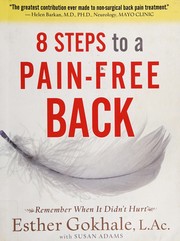
Begin with Back mechanic, a spine researcher's practical guide to identifying your personal pain triggers and building tolerance rather than avoiding movement forever. Crooked then widens the lens with hard-nosed reporting on the back-pain industry — which treatments hold up and which don't — so you become a skeptical consumer. 8 steps to a pain-free back offers a posture-based approach drawn from cultures with low back-pain rates, and Deskbound tackles the sitting-and-desk-life dimension that drives so many modern cases.
Learn how pain really works
Here the story deepens. Explain pain is the accessible introduction to modern pain science — why hurt and harm aren't the same thing, and why understanding pain reduces it. The Mindbody Prescription and Healing Back Pain make the more provocative mind-body case; read them critically, but they've helped many people whose imaging never explained their symptoms.
Build movement habits that last
Prevention is a practice, not a fix. Foundation teaches posterior-chain strengthening to support the spine, Becoming a Supple Leopard is the comprehensive mobility-and-movement manual, and The Pain Relief Secret focuses on retraining movement patterns to relieve chronic tension.
Follow the full path and you'll trade fear of your own back for a working understanding of it — and the daily habits that keep it resilient.
Follow the full reading path →
Ready to learn something deeply?
Build a reading path — free