Building muscle is one of the most studied topics in exercise science, which is both good and bad: the principles are clear, but the internet buries them under supplement ads and bro-myths. A structured reading order cuts through it, moving from fundamental training and nutrition to the real physiology of hypertrophy and how to periodize it.
Follow the sequence and you'll learn to grow muscle on principle rather than on whatever went viral this week.
Get the fundamentals right
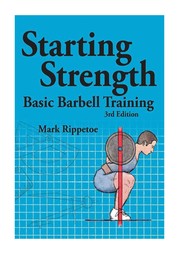
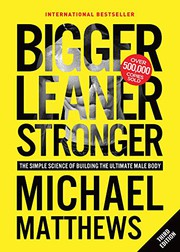
Start with Starting strength to learn the compound barbell lifts that drive most early muscle growth — you can't out-program bad squats and deadlifts. Then Bigger Leaner Stronger packages a complete, beginner-friendly training-and-eating system that works precisely because it's simple. On the food side, The lean muscle diet explains eating for muscle gain without the extremes, and Nutrient timing digs into when protein and carbs matter around training (spoiler: less than the marketing claims, but not nothing).
Understand hypertrophy science
Now go under the hood. Science and Development of Muscle Hypertrophy is the definitive academic synthesis of how muscle actually grows — mechanical tension, volume, and the variables that matter. The Muscle and Strength Pyramid: Training orders those variables by importance so you spend effort where it pays off, and its companion The Muscle and Strength Pyramid: Nutrition does the same for diet, from calories down to supplements.
Program for the long term
Muscle-building over years requires managing fatigue and progression. Periodization is the classic text on structuring training across weeks and months to keep adapting, and Scientific Principles of Strength Training turns that theory into concrete programming choices for lifters.
Follow the full path and you'll understand not just what to do in the gym, but why — the knowledge that keeps you growing long after beginner gains fade.
Follow the full reading path →
Ready to learn something deeply?
Build a reading path — free