Financial planning is one of the few fields where the technical answer is often the easy part and the human part is where plans succeed or fail. You can know the optimal savings rate and still watch a client — or yourself — sabotage it. The best planners learn the fundamentals, the tools, and the behavior, in that order.
This path is built that way. Master the basics of cash flow and debt, then investing and retirement, then taxes and the softer disciplines of behavior and communication that turn a spreadsheet into a plan someone will actually follow. These books complement formal study and credentials rather than replacing them.
Get the money fundamentals
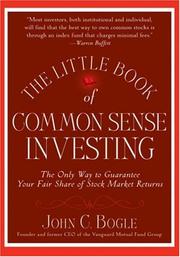
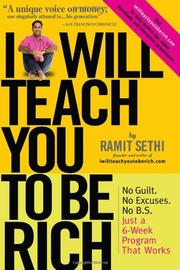
Start with The total money makeover, Ramsey's blunt, behavior-first system for getting out of debt and building a foundation — imperfect on investing, but excellent at the habits stage. Then The Little Book of Common Sense Investing delivers Bogle's case for low-cost index investing, the single most useful idea in the field. I will teach you to be rich modernizes all of it into an automated, guilt-free system a beginner can actually run.
Learn the planning toolkit
Now go professional. Personal financial planning is the structured textbook survey of the whole discipline — goals, risk, insurance, estate — and Ernst & Young's personal financial planning guide is the thorough practical reference. For the phase that trips up most households, The Wall Street Journal complete retirement guidebook walks through the income, timing, and Social Security decisions that retirement turns on.
Understand markets and taxes
Ground your investing advice in evidence. A Random Walk Down Wall Street is the classic argument for humility about markets and the power of diversification. Then handle the part clients dread: Taxes made simple explains the tax system clearly enough that you can plan around it rather than fear it.
Master the human side
Finally, the behavior. The Behavior Gap shows why investors underperform their own investments and how a planner adds value by managing emotion, not just allocation. The Wealthy Barber teaches the fundamentals through story so they stick, and The One-Page Financial Plan proves that a plan people will follow beats a perfect one they ignore.
Work the path in order and financial planning becomes a craft of judgment and communication, not just calculation. The related trading and crypto paths add market literacy — useful context, but remember that a planner's job is a client's whole financial life, not a single trade.
Follow the full reading path →
Ready to learn something deeply?
Build a reading path — free