No market is noisier than crypto. Hype, tribalism, and outright scams make it dangerously easy to trade before you understand what you are trading. The antidote is order: learn how the technology actually works, then the competing economic arguments, then the real history — and only then approach trading, with the same technical and psychological discipline any market demands. Crypto is extraordinarily volatile and much of the space is speculative or fraudulent; this is education, not investment advice.
Best Cryptocurrency Trading Books to Read, in Order
July 14, 2026 · 3 min read
Foundations: how it actually works
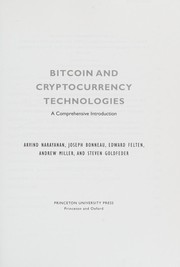
Start with Bitcoin and Cryptocurrency Technologies by Arvind Narayanan, a rigorous, university-level explanation of how blockchains, mining, and consensus actually function — the ground truth that immunizes you against hype. Then engage the economic debate honestly. The Bitcoin Standard by Saifedean Ammous makes the bull case for hard money (read it critically, as advocacy), while Cryptoassets by Chris Burniske and Jack Tatar offers a more balanced framework for thinking about the broader asset class. Add The Infinite Machine by Camila Russo for the story of Ethereum and the rise of programmable blockchains.
Core: deeper technology and history
Go deeper on the machinery with Mastering Bitcoin: Unlocking Digital Cryptocurrencies by Andreas M. Antonopoulos, the technical reference that shows how the system works under the hood — invaluable for judging which projects are substance and which are noise. Balance the optimism with Cryptomania by Laura Shin, a journalistic history of the mania, fraud, and human drama that reminds you how much of this market is speculation and scam.
Depth: reading markets and managing yourself
If you choose to trade, treat it as trading. Technical Analysis of the Financial Markets by John J. Murphy gives you the standard toolkit for reading price. The Art and Science of Technical Analysis by Adam Grimes is a more rigorous, evidence-based take on market behavior and edge. And two psychology classics anchor the discipline: Trading in the Zone by Mark Douglas on probabilistic thinking, and Reminiscences of a Stock Operator by Edwin Lefèvre, the century-old trading memoir whose lessons on greed, fear, and ruin apply perfectly to crypto's cycles.
Read in this order, understanding precedes speculation — the reverse of how most people enter crypto and lose.
Separate signal from noise
Crypto's greatest danger is not volatility but persuasion — the constant pressure of hype, tribal loyalty, and outright fraud. The best defense is exactly the technical grounding this path front-loads: someone who has worked through Bitcoin and Cryptocurrency Technologies and Mastering Bitcoin: Unlocking Digital Cryptocurrencies can ask how a project actually works and usually spot the empty ones. Read the advocacy and the criticism side by side — hold The Bitcoin Standard against Cryptomania — and be suspicious of anyone promising certainty in either direction. If you choose to speculate, treat it as trading with real risk management: define your position sizes, expect brutal drawdowns, and remember the timeless lessons of Reminiscences of a stock operator about greed and fear repeating in every cycle. Never invest more than you can afford to lose entirely, keep security basic-but-serious, and stay skeptical of returns that sound too good. This is education about a volatile, scam-heavy space, not investment advice. Follow the full crypto path for each stage's study plan, or explore related finance paths. None of this is investment advice.
FAQ
- Should I read the technology books before trading?
- Yes. Bitcoin and Cryptocurrency Technologies and Mastering Bitcoin help you tell substance from hype, which is the single biggest edge in a market full of scams. Understanding should precede any speculation.
- Are these books biased toward crypto?
- The path deliberately balances them — The Bitcoin Standard is advocacy, while Cryptomania documents the fraud and mania. Reading both, plus the neutral Cryptoassets, gives you a level-headed view. This is not investment advice.
Get the books
- 1Bitcoin and cryptocurrency technologiesAmazon ↗Arvind Narayanan
- 2The Bitcoin StandardAmazon ↗Saifedean Ammous
- 3CryptoassetsAmazon ↗Jack Tatar Chris Burniske
- 4The Infinite MachineAmazon ↗Camila Russo
- 5Technical Analysis of the Financial MarketsAmazon ↗John J. Murphy
- 6Mastering Bitcoin: Unlocking Digital CryptocurrenciesAmazon ↗Andreas M. Antonopoulos
As an Amazon Associate we earn from qualifying purchases. Some book links are affiliate links; you pay the same price and we may earn a small commission.
Follow the full reading path


Cryptocurrency trading: the best books to read in order
Beginner9books55 hrs4 stages
@worksherpa♥ 0
Ready to learn something deeply?
Build a reading path — free