Forex is where beginners get hurt fastest. The market is driven by interest rates and macroeconomic forces most newcomers do not understand, and it is traded with leverage that turns small errors into account-ending ones. Learning it in the right order matters more here than almost anywhere: first the mechanics of how currencies actually trade, then the strategies for reading them, and finally — most importantly — the risk management and psychology that keep leverage from destroying you. Trading forex is high-risk; most retail traders lose money. This is education, not advice.
Best Forex Trading Books to Read in Order, Beginner to Pro
July 14, 2026 · 3 min read
Foundations: how currencies trade
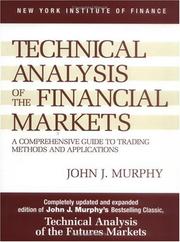
Start with Currency Trading for Dummies by Brian Dolan for a clear, jargon-free orientation to pairs, pips, leverage, and market structure. Then read The Little Book of Currency Trading by Kathy Lien, a concise, credible introduction from a well-known currency strategist that adds real-world context. To read the charts themselves, bring in Technical Analysis of the Financial Markets by John J. Murphy — the standard reference on trend, support, and indicators that applies across all markets, forex included.
Core: strategy and the macro engine
Now build a way to trade. Forex Price Action Scalping by Bob Volman teaches a disciplined, chart-based short-term method, and Day Trading and Swing Trading the Currency Market by Kathy Lien connects strategy to the macro drivers — rates, data releases, and intermarket flows — that actually move currencies. To understand the deeper forces at play, The Alchemy of Finance by George Soros lays out the reflexive, macro worldview of one of history's greatest currency traders; it is demanding but formative.
Depth: risk, sizing, and mindset
This is the stage that decides whether you survive. Trading in the Zone by Mark Douglas is the essential book on the discipline and probabilistic mindset that leverage punishes you for lacking. Van Tharp's Definitive Guide to Position Sizing is the rigorous treatment of how much to risk per trade — the single most important variable in staying solvent. Finish with Market Wizards by Jack D. Schwager, whose interviews drive home, again and again, that risk control and temperament separate winners from the many who lose.
Read in this order — mechanics, strategy, then risk and mind — you learn to trade the way survivors do.
Respect the leverage
The single fact that ruins most new forex traders is leverage, and no amount of strategy compensates for mishandling it. A position that looks small can move your entire account on a modest price swing, so the position-sizing discipline in Van Tharp's definitive guide to position sizing is not optional reading — it is the difference between a drawdown and a blowup. Before trading real money, demo-trade a specific approach from Forex Price Action Scalping or Day Trading and Swing Trading the Currency Market for months, and keep a journal of every trade and the reasoning behind it. Pay attention to the economic calendar; the macro forces in The alchemy of finance and the rate-driven logic Kathy Lien describes move currencies violently around data releases, and being blindsided is expensive. Keep your risk per trade tiny and your ego smaller. Forex is high-risk, most retail traders lose money, and nothing here is financial advice — treat these books as an education in managing risk, not a shortcut to returns. Follow the full forex path for each stage's study plan, or explore related finance paths. Nothing here is financial advice.
FAQ
- Is forex trading a good way to make money?
- It is high-risk and most retail traders lose money, largely because of leverage and poor risk control. These books teach the mechanics, strategy, and — crucially — the position sizing and psychology needed to manage that risk. This is not financial advice.
- What should a complete beginner read first?
- Currency Trading for Dummies and The Little Book of Currency Trading for the mechanics, then Murphy for chart reading. Do not trade real leverage until you have absorbed the risk material like Van Tharp's position-sizing guide.
Get the books
- 1Currency trading for dummiesAmazon ↗Brian Dolan
- 2The little book of currency tradingAmazon ↗Kathy Lien
- 3Technical Analysis of the Financial MarketsAmazon ↗John J. Murphy
- 4Forex Price Action ScalpingAmazon ↗Bob Volman
- 5Amazon ↗
- 6The alchemy of financeAmazon ↗George Soros
As an Amazon Associate we earn from qualifying purchases. Some book links are affiliate links; you pay the same price and we may earn a small commission.
Follow the full reading path


Forex trading books to read in order, beginner to pro
Intermediate9books69 hrs4 stages
@worksherpa♥ 0
Ready to learn something deeply?
Build a reading path — free