Most people learn technical analysis backwards. They memorize patterns and indicators, place a few trades, and blow up — not because the analysis was wrong, but because they never learned risk management or the psychology that decides whether they can actually follow a plan. A good reading order treats charting as a craft and a discipline: first the foundational language of charts, then the specific tools, then the mental game and position sizing that separate survivors from statistics. Trading is risky and most beginners lose money; these books teach method, not a guarantee.
Best Technical Analysis Books for Traders, in Order
July 14, 2026 · 3 min read
Foundations: the language of charts
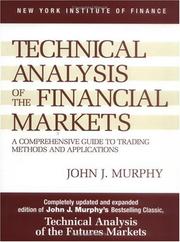
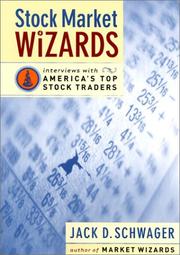
Start with the field's standard textbook, Technical Analysis of the Financial Markets by John J. Murphy. It covers trend, support and resistance, indicators, and chart construction systematically — the shared vocabulary everything else builds on. Before going deeper, read Stock Market Wizards by Jack D. Schwager for perspective: interviews with top traders that show, early, that edge comes from process and discipline, not a secret indicator.
Core: patterns and specific tools
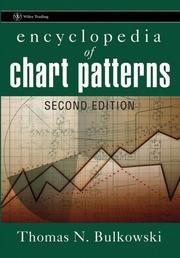
Now add the tools. Encyclopedia of Chart Patterns by Thomas N. Bulkowski is the exhaustive, statistically minded reference on what patterns actually tend to do, and Japanese Candlestick Charting Techniques by Steve Nison introduces the candlestick language that most modern traders read price with. For structure across time, Technical Analysis Using Multiple Timeframes by Brian Shannon teaches how to align signals from different horizons — a genuine step up in practical skill.
Depth: psychology, method, and risk
Here is where traders are made or broken. Trading in the Zone by Mark Douglas is the classic on the mindset of probability, discipline, and accepting uncertainty — the book most experienced traders credit. Come Into My Trading Room by Alexander Elder ties method, mind, and money management into a complete framework. Trade Your Way to Financial Freedom by Van K. Tharp reframes trading around expectancy and position sizing — the math of survival that beginners skip at their peril. Close with The New Market Wizards by Jack D. Schwager, more interviews that reinforce how much of trading is temperament and risk control.
Read in this order, you build a method and the discipline to run it, in that order — because the second is what keeps the first from ruining you.
Paper trade before you risk money
The gap between reading about a chart pattern and trading it under pressure is enormous, and it is where most beginners lose. Before risking real capital, keep a trading journal and paper trade a defined strategy for months, logging every setup and outcome so you can see whether your edge is real or imagined. The statistical honesty of Encyclopedia of Chart Patterns is a useful antidote to the illusion that patterns are certainties; they are probabilities, and they fail regularly. Above all, internalize the risk math in Trade Your Way to Financial Freedom — position sizing and a maximum loss per trade — before you internalize any entry signal, because survival is a prerequisite for everything else. The psychology in Trading in the Zone only becomes real once your own money is on the line, so revisit it often. None of this is a promise of profit; trading is genuinely risky, most beginners lose, and nothing here is financial advice. Follow the full technical analysis path for each stage's study plan, or explore related finance paths. This is education, not financial advice.
FAQ
- Can books make me a profitable trader?
- No book guarantees profit — most beginners lose money, and trading involves real risk. These books teach method, risk management, and psychology; applying them with discipline and small size is what matters. This is not financial advice.
- Which book matters most for beginners?
- Start with Murphy's Technical Analysis of the Financial Markets for the fundamentals, but do not skip Trading in the Zone — the psychology and risk discipline it teaches are what actually keep traders in the game.
Get the books
- 1Technical Analysis of the Financial MarketsAmazon ↗John J. Murphy
- 2Stock Market WizardsAmazon ↗Jack D. Schwager
- 3Encyclopedia of Chart PatternsAmazon ↗Thomas N. Bulkowski
- 4Japanese candlestick charting techniquesAmazon ↗Steve Nison
- 5Trading in the zoneAmazon ↗Mark Douglas
- 6Technical analysis using multiple timeframesAmazon ↗Brian Shannon
As an Amazon Associate we earn from qualifying purchases. Some book links are affiliate links; you pay the same price and we may earn a small commission.
Follow the full reading path
Technical analysis: an ordered reading path for chart traders
Intermediate9books95 hrs4 stages
@worksherpa♥ 0
Ready to learn something deeply?
Build a reading path — free