Colored pencil looks casual and is anything but. Rich, realistic work is built from many light, deliberate layers, and the medium punishes impatience, since you cannot easily lift or repaint. The reward is control and detail few media can match. A sensible book order teaches the layering mindset before pushing you toward photorealism.
This path moves from foundations and color-building, through the technical heart of layering and burnishing, into realistic texture and finally portraits. Work slowly and let the layers accumulate.
Foundations
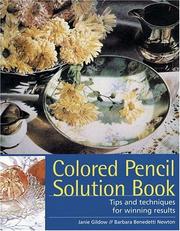
Start with The new colored pencil, a strong modern introduction to materials, color and core techniques that sets your expectations correctly. Then Colored pencil solution book is a practical problem-solver, answering the common frustrations, waxy bloom, muddy color, uneven coverage, that stall beginners. Together they get you making clean, intentional marks.
Build color and value
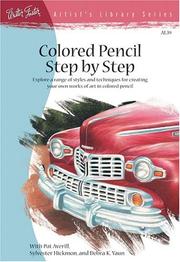
Now the technical core. Colored pencil step by step walks you through projects that teach layering as you go, and The complete colored pencil book is a thorough reference on the full range of the medium's methods. Realistic Colored Pencil pushes toward believable form and color, the point where drawings start to look convincing. This cluster is where you learn that realism is just careful layering, repeated.
Texture and portraits
Finally, chase realism and likeness. Drawing Realistic Textures in Pencil is a superb study of rendering skin, hair, metal, glass and fabric, the surfaces that sell a realistic drawing. Colored pencil painting bible covers advanced techniques for luminous, painterly results, and Lifelike drawing in colored pencil with Lee Hammond focuses on realistic rendering step by step. Colored pencil portraits step by step closes the path with the hardest subject, the human face, applying everything before it. Ending on portraits proves your layering and texture skills have arrived.
Follow the full path in order, layer by patient layer, and colored pencil delivers detail and depth that surprise everyone, including you.
Follow the full reading path →
Ready to learn something deeply?
Build a reading path — free