For most of medical history, "the human body" meant the male body, and women's health was treated as a footnote. The result is a field with real knowledge gaps and a lot of confident noise. Reading widely here is genuinely valuable — but the goal is to build judgment, not to self-diagnose. Nothing in these books is medical advice, health claims vary in how well they are supported, and decisions about your body belong between you and a qualified clinician.
The Best Books on Women's Health, in Order
July 12, 2026 · 2 min read
Why order matters here
Start with how the body works and how the field came to be so lopsided, then move to specific life stages and questions. Diving into a single topic without that context makes it hard to tell strong evidence from a compelling anecdote. The path builds the skeptic's eye first.
The path, stage by stage
Begin with the structural picture. Invisible Women by Caroline Criado Perez documents how a data gap — from crash tests to drug trials — has shaped women's lives and health, and All in Her Head by Elizabeth Comen traces the long history of how medicine has treated women's bodies. Together they explain why skepticism is warranted.
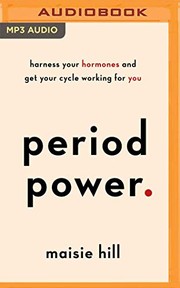
Next, understand the cycle and hormones. Period Power by Maisie Hill explains the menstrual cycle and how it affects daily life in accessible terms. For evidence-based, physician-written guidance across the lifespan, weigh these against clinical sources and note where claims are well-supported versus speculative.
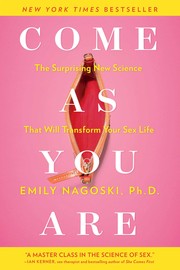
For fertility and body literacy, Taking Charge of Your Fertility by Toni Weschler is a widely trusted, method-based guide to understanding your own cycle. On sexual health, Come as you are by Emily Nagoski summarizes the science of desire and arousal in a genuinely useful way.
For midlife and beyond, The Menopause Manifesto by Jen Gunter is a rigorous, myth-busting guide from a gynecologist, and The XX Brain by Lisa Mosconi covers brain health and how it differs by sex. Read popular hormone books such as The Hormone Cure and Beyond the Pill more critically, checking their stronger claims against mainstream medical consensus.
How to actually study this
Treat this as evidence-weighing, not instruction-following. Notice whether a claim rests on large studies, small ones, or a single clinician's experience, and be wary of any book promising a total fix. Keep a list of questions to bring to your own doctor rather than acting on a book alone. Reading like this makes you a better-informed, harder-to-dismiss patient — which is the real payoff.
Continue with the full reading path, the women's health hub, or browse more paths.
FAQ
- What is a good first book on women's health?
- *Invisible Women* by Caroline Criado Perez explains why the field has such gaps, and *Period Power* by Maisie Hill is an accessible start on the cycle and hormones.
- Can these books replace seeing a doctor?
- No. They help you weigh evidence and ask better questions, but they are not medical advice — decisions about your body belong between you and a qualified clinician.
Get the books
- 1Period PowerAmazon ↗Maisie Hill
- 2Come as you areAmazon ↗Emily Nagoski
- 3Beyond the PillAmazon ↗Jolene Brighten
- 4The Hormone CureAmazon ↗Dr. Sara Gottfried
- 5Amazon ↗
- 6The XX BrainAmazon ↗Lisa Mosconi
As an Amazon Associate we earn from qualifying purchases. Some book links are affiliate links; you pay the same price and we may earn a small commission.
Follow the full reading path

Women's health: an evidence-based reading path
Beginner9books84 hrs5 stages
@wellsherpa♥ 0
Ready to learn something deeply?
Build a reading path — free