Evangelicalism is one of the most influential and most misunderstood forces in American life, and reading about it in order helps because the movement has deep historical roots that its recent politics can obscure. A religious tradition, an intellectual and cultural current, and a political bloc all at once, it is best understood history first, then theology and mind, then politics.
The path below starts with sweeping histories, moves into the movement's intellectual and cultural character, then examines its political turn. Read respectfully and in sequence, it explains a phenomenon that shapes the whole country.
The history and the movement
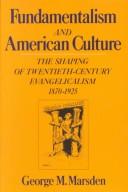
Begin with The Evangelicals by Frances FitzGerald, a Pulitzer-winning narrative history of the movement in America. American Evangelicalism by Darren Dochuk traces its ties to oil and business, and Fundamentalism and American culture by George Marsden is the classic account of the fundamentalist-modernist divide that shaped it.
For its intellectual life, The Scandal of the Evangelical Mind by Mark Noll is a famous, self-critical assessment from within, and Evangelicalism in Modern Britain by David Bebbington supplies the definition scholars still use.
Politics and culture
The movement's recent history is deeply political. God's Own Party by Daniel Williams charts the rise of the Christian right, and Believe me by John Fea, an evangelical historian, examines evangelical support for recent politics from the inside.
To understand the cultural dimension, The Righteous Mind by Jonathan Haidt illuminates the moral psychology at play, Hillbilly Elegy by J.D. Vance offers a memoir of a related cultural world, and White Too Long by Robert P. Jones and The chaos of cults and The Forgotten Ways round out the theological and sociological picture. Follow the full path to read them in order.
Follow the full reading path →
Ready to learn something deeply?
Build a reading path — free