Freemasonry attracts more speculation than almost any subject, which is exactly why reading it in order pays off: you want the solid ground before the wild claims. A fraternal order with rituals and symbols, a real historical institution, and a magnet for conspiracy theory all at once, it is best approached primer first, history second, myth handled with care.
The path below starts with an introduction and reputable history, moves into symbolism and internal texts, then treats the fringe material critically. In sequence, you can tell fact from folklore.
Getting the basics right
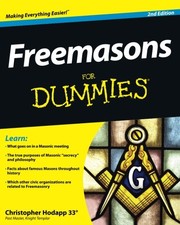
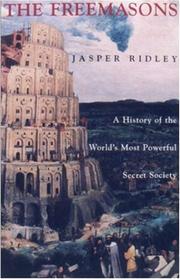
Begin with Freemasons for dummies by Christopher Hodapp, a genuinely useful plain-English overview by a Mason that clears up common confusions. Then The Freemasons by Jasper Ridley, a readable general history, and Craft by John Dickie, a well-reviewed recent history that takes the subject seriously without sensationalism. Born in blood by John Robinson offers a specific, debated theory of medieval origins worth reading skeptically.
Symbolism and the fringe
For the order's inner life, Morals and dogma by Albert Pike is a dense nineteenth-century philosophical text, best read as a historical artifact of one influential figure's views rather than official doctrine, and The symbolism of Freemasonry by Albert Mackey explains the emblems. Freemasonry by W. Kirk MacNulty is a clear illustrated guide to that symbolism.
For context, The Rosicrucian Enlightenment by Frances Yates situates it among early modern esoteric movements, A history of secret societies surveys the broader field, and Freemasonry and the Birth of Modern Science explores its links to the Royal Society. Perfectibilists covers the Illuminati; read such fringe-adjacent topics with a critical eye. Follow the full path to read them in order.
Follow the full reading path →
Ready to learn something deeply?
Build a reading path — free