Ethiopian cooking is unusually systematic once you see its structure. A very large share of the repertoire is built from three components: berbere, the complex chilli and spice blend; niter kibbeh, butter clarified with spices and aromatics; and injera, the sour fermented teff flatbread that serves as plate, utensil and starch. Learn those three and dozens of dishes become variations rather than separate projects.
Which is why the reading order is component-first. Start with the book that teaches the foundations most thoroughly, then move to the national repertoire, then widen into the regional context that explains where the cuisine sits.
Build the pantry
Start with Teff love by Kittee Berns. It is a vegan Ethiopian cookbook, and that is less of a limitation than it sounds — Ethiopian cooking has a deep vegan tradition because of the Orthodox fasting calendar, which prohibits animal products for a substantial part of the year. The lentil, split pea, cabbage and collard dishes that fill a beyanetu platter are all here.
More importantly, Berns is meticulous about the foundations. Her berbere and niter kibbeh recipes are detailed and reliable, and her injera chapter walks through the fermentation properly, including the honest reality that 100 percent teff injera is difficult outside Ethiopia and that many home cooks blend teff with barley or wheat flour. Expect your first few injera to fail; the fermentation timing depends on your kitchen temperature and takes calibration.
Learn the full repertoire
Then Ethiopia by Yohanis Gebreyesus, written with Jeff Koehler. This is the authoritative modern survey from an Ethiopian chef — regional variation across the country, the meat dishes Berns necessarily omits including doro wat and kitfo, coffee ceremony, and the cultural framing of communal eating from a shared platter.
Read it after you can already make berbere and niter kibbeh, because Gebreyesus assumes those as pantry staples rather than teaching them from zero. The book is also strong on why dishes are eaten when they are, which is the kind of context that turns recipes into cooking.
Place it in a wider region
The soul of a new cuisine by Marcus Samuelsson widens the frame to Africa broadly, with substantial Ethiopian content — Samuelsson was born in Ethiopia and raised in Sweden, and the book blends personal history with a chef's eye. It is the bridge between authentic home cooking and restaurant technique, and it shows what Ethiopian flavours do outside their traditional forms.
Zoe's Ghana kitchen by Zoe Adjonyoh is West African rather than East African, and it is here for contrast — a modern, London-based take on Ghanaian food that makes the differences between African cuisines vivid. Reading it alongside the Ethiopian books stops you flattening a continent into a single category.
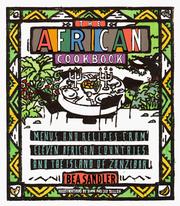
The African Cookbook by Bea Sandler is the historical outlier, published in 1970 and organized country by country. Treat it as a period document: the scope was ambitious for its time and some recipes have aged, but it is interesting as an early attempt at pan-African documentation. Start elsewhere if you want reliable recipes tonight.
If you want a neighbouring cuisine next, the Lebanese cooking hub shares some of the same spice logic in a different register.
Get berbere, niter kibbeh and injera right and the rest of the reading becomes a pleasure rather than a project.
Follow the full ordered path here: Best Ethiopian Cookbooks, in Reading Order.