Epistemology — the theory of knowledge — sounds abstract until you notice it is the discipline behind every argument about evidence, expertise, and truth you have ever had. The trouble is that its literature swings between breezy overviews that skip the hard parts and technical papers that assume you already know the field. Beginners get whipsawed.
The way through is to build the questions before the answers. Start with clear modern introductions, learn the shape of the classic debates, then read the historical texts that set the terms and the contemporary work that reopened them.
Frame the questions
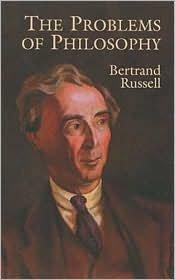
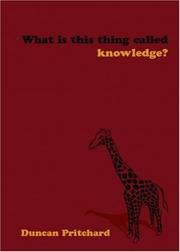
Begin with The Problems of Philosophy by Bertrand Russell, still the most elegant short introduction to what philosophy is even asking — appearance, reality, knowledge, and doubt. Russell's own Theory of knowledge goes a step deeper into his account. Then get a proper survey: What is This Thing Called Knowledge? by Duncan Pritchard is the cleanest modern textbook, and An introduction to epistemology by Jack Crumley covers the same ground at more length. For a rigorous overview built around key readings, Epistemology by Sosa, Kim, and McGrath is the standard anthology.
Read the classics that set the terms
With the map drawn, go to the sources. Discourse on Method and Meditations by Descartes is where modern epistemology begins — the method of doubt and the search for one certain foundation. Then read Hume: his Dialogues concerning natural religion and companion essays turn skeptical empiricism on our deepest beliefs. Reading these in sequence, you watch the rationalist and empiricist programs define each other.
Meet the live debates
Contemporary epistemology is very much alive. Knowledge and Its Limits by Timothy Williamson argues, against tradition, that knowledge is a basic state we cannot reduce to belief-plus-conditions. Epistemic injustice by Miranda Fricker opened a whole field by showing how power distorts who gets believed. Epistemology and the psychology of human judgment by Bishop and Trout pushes the discipline toward real cognitive science, and Skepticism and the Veil of Perception by Michael Huemer mounts a spirited defense of common-sense knowledge against the skeptic.
Read in this order, epistemology becomes what it should be: a living argument about how belief earns the right to be called knowledge. Follow the full reading path for the staged version, or browse the subject hub.
Ready to learn something deeply?
Build a reading path — free