Carl Jung is one of those thinkers everyone half-knows — archetypes, the shadow, introvert and extravert — and almost no one has actually read. That is partly Jung's own fault: he wrote for clinicians, changed his vocabulary across fifty years, and buried his best insights inside dense studies of alchemy and myth. Dive straight into the collected works and you will drown.
Sequence rescues him. Get a clear overview, then hear him in his own voice, then work outward into the technical material once the core concepts are steady. Read that way, the strangeness starts to feel like depth rather than obscurity.
Get the map first
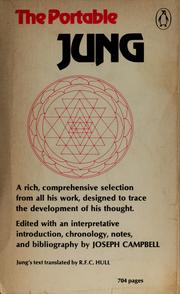
Start with Jung: A Very Short Introduction by Anthony Stevens, the cleanest survey of the whole system — libido, complexes, archetypes, individuation — in under two hundred pages. Then read Memories, Dreams, Reflections, Jung's late, semi-autobiographical account of his own inner life; it is the most human door into his thought and shows where the ideas came from. From there, The portable Jung is the ideal anthology, gathering the essential essays with Joseph Campbell's guiding introduction.
Meet the core ideas
Now go to Man and His Symbols, the book Jung wrote for general readers at the end of his life to explain dreams and symbols plainly — the single most accessible statement of his method. Pair it with Inner Work by Robert Johnson, a practical guide to dream analysis and active imagination that turns theory into something you can actually do.
Into the deep water
With the foundations set, tackle the harder works in order. Aion studies the symbolism of the self across two thousand years of Western culture. Psychological Types is the origin of the introvert/extravert distinction and far richer than its pop-culture residue. Two Essays on Analytical Psychology lays out the relationship between the personal and collective unconscious, and The Archetypes and the Collective Unconscious is the definitive statement of his most famous idea. Finish with Psychology and Alchemy, where Jung reads medieval alchemy as a projection of the individuation process — difficult, but the payoff for everything before it.
A word of honesty: Jung is provocative, not settled science, and reading him well means holding his insights and his speculations apart. This path is a guide to understanding him, not a substitute for a therapist. Follow the full reading path for the staged version with study notes, or explore the subject hub.
Ready to learn something deeply?
Build a reading path — free