China's history is so long and so continuous that most single books either skim it or drown you. The dynasties blur, the names multiply, and it is easy to lose the thread that connects the Zhou to the present. The remedy is to read for the shape first, then fill in the eras, then hear the people who lived through them.
This path moves from grand narrative overviews to the classical foundations to the wrenching modern century, so each stage gives the next its context.
Get the sweep
Begin with The Story of China, Michael Wood's warm, narrative history that carries you across the whole span while keeping the human texture. Set it beside China A History, John Keay's more analytical single-volume account, which is excellent at showing how the empire cohered and fractured over millennia. Between them you gain both the feeling and the framework.
The empires and the classics
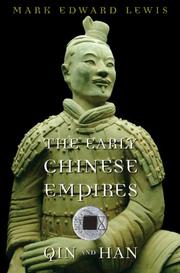
Now go deeper into the formative eras. The Early Chinese Empires examines the Qin and Han, when the template of a unified China was forged. To understand the ideas that held it together, The complete Analects of Confucius gives you the ethical and political thought that shaped Chinese governance for two thousand years. China's Golden Age then brings the Tang to life — the cosmopolitan high point of the imperial system.
The modern century
The final and heaviest arc is the transformation into the present. The search for modern China is the standard, magisterial account of the last several centuries, from late empire through revolution. For the human dimension, China in ten words offers a contemporary writer's reflections on the country he lives in, and Mao provides a searching, controversial biography of the man who remade it. Wild Swans tells three generations of one family's story across the upheavals, making the abstractions unforgettable. Round out the analysis with The People's Republic of China: A History and The Tyranny of History, two probing treatments of the modern state and the weight of the past on it, and close with China's Civilization, a synthesis of the cultural continuity beneath all the change.
Read this way, four millennia stop being a blur and become a story you can follow. Follow the full path to travel it era by era.
Follow the full reading path →
Ready to learn something deeply?
Build a reading path — free