Epigenetics studies how gene expression is switched on and off without changing the DNA sequence, and it is one of the most hyped ideas in modern biology. Read only the headlines and you come away thinking your grandmother's diet rewrote your destiny. Read the field in order and you get something better: a precise account of chromatin, methylation, and development, with clear boundaries around what is actually established.
That is why sequence matters here. Begin with an accessible synthesis, then earn the molecular detail, and only then wade into the contested questions about inheritance and aging where popular claims tend to outrun the evidence.
The accessible overview
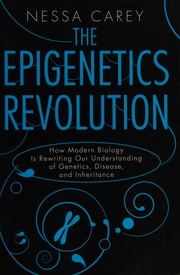
Start with The epigenetics revolution, Nessa Carey's clear tour of how identical DNA can produce a liver cell and a neuron. Follow it with Epigenetics, Richard Francis's short, readable primer that keeps the concepts grounded. These two give you the map before the terrain gets steep.
The molecular core
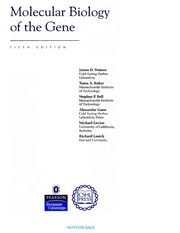
Now build the machinery. Molecular biology of the gene is the foundational textbook on how genes are stored, read, and regulated, the substrate everything epigenetic sits on top of. Epigenetics, Second Edition is the field's definitive academic treatment of histone modification, DNA methylation, and chromatin, and it is the anchor of this path. With those in hand, the mechanisms stop being metaphors and become chemistry.
Development, inheritance, and aging
The frontier is where epigenetics gets philosophically interesting and evidentially tricky. The Developing Genome connects epigenetic regulation to how organisms actually develop, pushing back on simple gene-versus-environment framing. Epigenetic Principles of Evolution and Evolution in Four Dimensions both explore whether epigenetic information can be inherited and shape evolution, a genuinely debated area you should read critically. Inheritance brings the clinical human angle, Epigenetics and Disease connects mechanisms to illness, and Lifespan closes with the argument that epigenetic changes drive aging, a bold thesis worth reading with the skepticism the earlier books trained into you.
Taken in order, this path lets you separate the durable science from the marketing. Follow the full reading path to move from the popular overview to the molecular detail and the honest open questions.
Follow the full reading path →
Ready to learn something deeply?
Build a reading path — free