Subjects / Biomedical engineering
Best books to learn Biomedical engineering, in order
Biomedical engineering is a bridge field, so the order must span both banks. Start with the engineering and physiology foundations — you need the body and the math before the applications — then the core domains in sequence: biomechanics, biomaterials, and medical imaging, then device design and instrumentation. Skip the fundamentals and the applied books read as disconnected topics. Ground engineering and biology, then the subfields, then designing real medical devices.
Reading paths for biomedical engineering
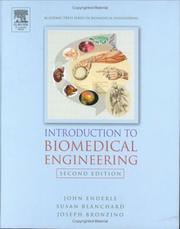

The Best Biomedical Engineering Books, in Order
Beginner10books181 hrs5 stages
Popular biomedical engineering books
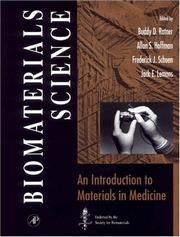
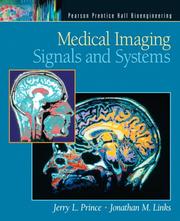
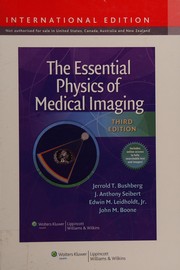
Related reading
Frequently asked questions
- How should I approach learning biomedical engineering?
- Biomedical engineering is a bridge field, so the order must span both banks. Start with the engineering and physiology foundations — you need the body and the math before the applications — then the core domains in sequence: biomechanics, biomaterials, and medical imaging, then device design and instrumentation. Skip the fundamentals and the applied books read as disconnected topics. Ground engineering and biology, then the subfields, then designing real medical devices.
- What's a good book to start biomedical engineering with?
- A strong starting point is Biomaterials science by Buddy D. Ratner. The ordered reading paths above show exactly where it fits and what to read next.
- What should I read after biomedical engineering?
- Once you have the fundamentals, explore closely related subjects like Kinesiology, Functional analysis, Operations research.