Evolutionary psychology asks how natural selection shaped the human mind, and it is one of the easiest fields to get wrong. Skip the foundations and you end up with tidy stories that explain everything and predict nothing. Read carefully and in order, and you get a genuine science of behavior with real evidence and real limits.
The trick is to build from the underlying logic of selection up to human specifics, and to meet the strongest critics along the way. A good reading order alternates bold synthesis with careful caution, so you learn to tell a testable hypothesis from a comfortable narrative.
The gene-level foundation
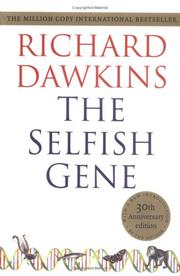
Start with The Selfish Gene, which reframes evolution around the replicator and gives you the core intuition behind kin selection, altruism, and conflict. Follow it with The Social Conquest of Earth, where Edward O. Wilson argues for the deep roots of human sociality and, usefully, disagrees with parts of the gene-centric view, so you see the debate rather than one settled answer.
The human mind takes shape
With the logic in place, turn to the field's own textbook. Evolutionary Psychology : The New Science of the Mind lays out its methods, predictions, and evidence systematically, and is the anchor of this path. Then read The Blank Slate, which defends the idea of an evolved human nature against its critics and clarifies what is, and is not, being claimed. These two together give you both the working program and its philosophical defense.
Sex, morality, and the social brain
Much of the field's best work concerns mating and cooperation. The evolution of human sexuality is the influential early treatment, and The Evolution of Desire extends it with cross-cultural data on human mate preferences. From there, The Righteous Mind explains moral intuition as evolved and tribal, reshaping how you read politics and religion. Grooming, Gossip and the Evolution of Language argues language grew from social bonding, The Goodness Paradox tackles the puzzle of human aggression and tameness, and Blueprint closes the arc by arguing that evolution predisposes us toward friendship and cooperation, not just competition.
Read in this sequence, the field stops being a set of headlines and becomes a way of asking disciplined questions about why we are the way we are. Follow the full path to keep the foundations and the critiques in view together.
Follow the full reading path →
Ready to learn something deeply?
Build a reading path — free