People bounce off science fiction for a predictable reason: they start with a doorstop someone called the greatest ever, missing the fact that the genre is a century-long conversation in which each era answers the one before. Cyberpunk is a reply to the space age; modern SF replies to cyberpunk. Read in rough chronological order and every book arrives with its context attached — which is why this path is sequenced by era, not by ranking.
Science fiction books: an essential reading order
July 11, 2026 · 2 min read
Stage 1: the roots
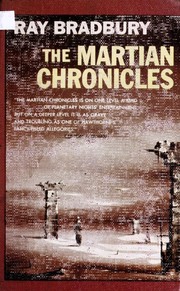
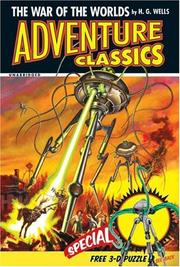
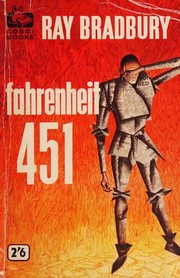
Begin with The War of the Worlds by H. G. Wells, the 1898 invasion story that invented half the genre's furniture and still reads as a lean, unnerving critique of empire. Then The Martian Chronicles by Ray Bradbury, a haunted, lyrical Mars that shows SF can be poetry, and Fahrenheit 451 by the same author — the book-burning dystopia that made the genre's case as social criticism.
Stage 2: the new wave asks harder questions
The 1960s and 70s turned the tools inward. The Left Hand of Darkness by Ursula K. Le Guin sends an envoy to a world without fixed gender and remains the genre's great novel of otherness and empathy. Her later masterpiece, The Dispossessed, sets an anarchist moon against a capitalist planet — the best political novel SF has produced. Slaughterhouse-Five by Kurt Vonnegut breaks time itself to write about the firebombing of Dresden. And Dune by Frank Herbert builds the genre's grandest world — ecology, religion, and a pointed warning about charismatic saviors that readers keep missing.
Stage 3: the digital turn
Do Androids Dream of Electric Sheep? by Philip K. Dick asks what separates human from machine empathy, the question the AI era has made urgent again. Neuromancer by William Gibson invented cyberspace and the entire cyberpunk aesthetic in one caffeinated heist novel, and Snow Crash by Neal Stephenson replies with satire — franchised nation-states, the Metaverse named and built. Alongside them, read Kindred by Octavia E. Butler, which uses time travel to drag its protagonist into antebellum slavery: the genre's most unflinching demonstration that speculative tools can carry moral weight.
Stage 4: the field goes global
Finish with The Three-Body Problem by Cixin Liu, the Chinese physics epic that rewired first-contact stories for a new century, and A Memory Called Empire by Arkady Martine, a poetry-and-politics space opera about empire seen from its edge — proof the conversation is livelier than ever.
How to actually study this
Fiction rewards a lighter touch than nonfiction, but two habits pay off: keep a one-paragraph log per book (what question is it asking, and of whom?), and notice replies — Le Guin answering the pulps, Gibson answering the space age, Martine answering Dune's imperial romance. If a classic drags, skip it and return; reading order is a map, not a contract.
The staged plan with notes per era is the full reading path. Neighboring shelves — fantasy, fiction, AI — live on the subject hub, or build your own list.
FAQ
- What science fiction book should I read first?
- Fahrenheit 451 or The Martian Chronicles by Ray Bradbury — short, beautifully written, and representative. Save Dune until the genre has its hooks in you.
- Do I need to read science fiction in chronological order?
- Need, no — but the genre is a running conversation, and rough era order makes later books (cyberpunk especially) land far harder.
Get the books
- 1The Martian ChroniclesAmazon ↗Ray Bradbury
- 2The War of the WorldsAmazon ↗H. G. Wells
- 3Fahrenheit 451Amazon ↗Ray Bradbury
- 4The Left Hand of DarknessAmazon ↗Ursula K. Le Guin
- 5Slaughterhouse-FiveAmazon ↗Kurt Vonnegut
- 6The DispossessedAmazon ↗Ursula K. Le Guin
As an Amazon Associate we earn from qualifying purchases. Some book links are affiliate links; you pay the same price and we may earn a small commission.
Follow the full reading path
Science fiction: an essential reading path
Beginner13books97 hrs4 stages
Ready to learn something deeply?
Build a reading path — free