Emotional regulation sounds abstract until you realize it's a concrete, trainable skill — the difference between being swept away by a feeling and being able to work with it. Most people try to white-knuckle their emotions and burn out. A better path is to understand how emotions actually work first, then learn practical tools, then build the resilience that makes it durable.
Reading in order matters because the modern science of emotion reframes everything that follows. Once you grasp how feelings are constructed, the tools make far more sense.
Understand how emotions work
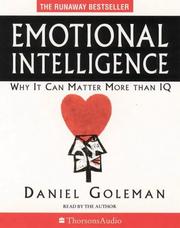
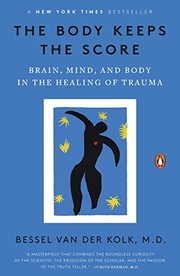
Start with How Emotions Are Made, which overturns the old view of emotions as hardwired reactions — showing instead that your brain constructs them, which means you have more influence than you think. Emotional Intelligence builds the classic framework of self-awareness and managing feelings well. And The Body Keeps the Score explains how emotions and stress live in the body, which is essential for understanding why regulation isn't purely mental. Read together, they give you an accurate model.
Learn the practical tools
Now the skills. Full Catastrophe Living and Wherever You Go, There You Are teach mindfulness — the foundational practice of noticing feelings without being hijacked by them. The Happiness Trap brings acceptance-and-commitment tools for unhooking from difficult thoughts and feelings, and The dialectical behavior therapy skills workbook offers the structured DBT skills (distress tolerance, emotion regulation) with exercises to practice. This is the working core — do the practices, don't just read them.
Build lasting resilience
Finally, make it stick. Burnout explains the stress cycle and how to actually complete it — why "calm down" fails and what works instead. Self-Compassion provides the kindness that makes hard emotions bearable rather than shameful. And Mindsight ties it together with the skill of observing your own mind and integrating emotion with reason. Read last, they turn tools into a durable temperament.
A brief honesty note: if emotions feel consistently overwhelming, or you're dealing with trauma, depression, or anxiety that disrupts your life, a therapist can help more than any book — DBT and ACT are especially effective and often best learned with guidance. These books complement that care; they don't replace it.
Follow the full reading path to move from being run by your feelings toward working with them skillfully.
Follow the full reading path →
Ready to learn something deeply?
Build a reading path — free