Injury recovery is where good intentions go wrong. People either rest too long and stiffen, or rush back and re-injure. The missing piece is usually understanding — of what pain actually is, and of the sequence that takes you from protected to fully loaded.
Reading in order helps because rehab is stagewise by nature. First reframe pain, then restore movement, then rebuild strength and capacity, then plan the return. Skip a stage and you carry the gap into the next one. These books map that path.
Reframe what pain means
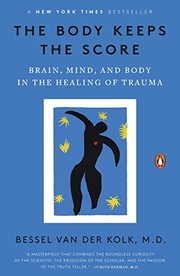
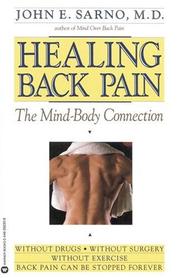
Start with Explain pain, which upends the intuition that pain equals tissue damage — it's a signal shaped by the nervous system, and understanding that changes how you rehab. The Body Keeps the Score extends the theme to how stress and trauma live in the body, useful context for stubborn, lingering pain. And Healing Back Pain makes the mind-body case specifically for back pain, a common and often mishandled injury. Read together, they lower fear, which is itself part of recovery.
Restore movement and mobility
With the fear down, restore range. Becoming a Supple Leopard is the practical manual for mobility and position — how to move joints well and unstick the tight ones. Stretching Scientifically adds the flexibility side with a methodical, progressive approach rather than random stretching. These give you the "how" of moving again.
Rebuild strength and return stronger
Rehab isn't finished until you can load. Rebuilding Milo is the standout here — a strength-and-conditioning physician's guide to diagnosing common injuries and rehabbing them with progressive loading rather than rest alone. The Barbell Prescription frames strength training as medicine for durability, especially past forty. For the psychology of coming back, Playing Hurt is an honest look at pain and performance, and The sports medicine bible serves as a broad reference for common injuries and when to escalate.
A firm honesty rail: these books build understanding, but they are not a diagnosis. Red-flag symptoms, worsening pain, or anything neurological needs a clinician. Use the reading to become a better-informed patient — it complements physical therapy and medical care, it doesn't replace them.
Follow the full reading path to move from understanding your injury to returning stronger than before.
Follow the full reading path →
Ready to learn something deeply?
Build a reading path — free