Bodybuilding looks simple from the outside: lift weights, eat, grow. But the order in which you learn matters more than most beginners expect. Get technique wrong first and you spend months nursing tweaks instead of adding plates. Chase advanced hypertrophy tricks before you can squat and press cleanly, and you build on sand.
The best sequence moves from movement to muscle to method: learn the barbell lifts safely, understand what actually drives growth, then dial in nutrition and long-term programming. Read this way and each book answers a question the last one raised.
Start with technique and a base
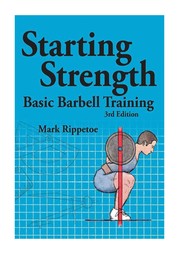
Begin with Starting strength, the clearest teaching manual for the barbell lifts — squat, press, deadlift — with the joint mechanics explained so you can self-correct. It gives you the base every physique is built on. From there, The new encyclopedia of modern bodybuilding is the sport's reference tome: exercise variety, split ideas, and the culture, useful once you can move well and want a wider menu.
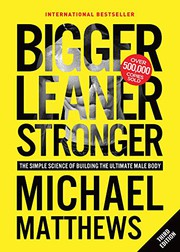
For a modern, structured beginner program, Bigger Leaner Stronger ties lifting and eating into one plan you can follow for a year. It's practical where the encyclopedia is exhaustive.
Understand what drives growth
Now go under the hood. The Muscle and Strength Pyramid: Nutrition and The Muscle and Strength Pyramid: Training are companion volumes that rank what matters most — adherence and calories before macro-timing, volume and progression before exercise selection — so you stop sweating trivia. Read them together; they're built to be a hierarchy of priorities.
Then Science and Development of Muscle Hypertrophy is the research-grounded core: mechanical tension, volume, frequency, and how muscles actually adapt. It's the most technical book here and the one that will change how you read every program afterward. For lifters training female physiology, Women's strength training anatomy maps the muscles and movements with clear illustrations.
Program for the long run
Muscle is built over years, not weeks, so learn to plan. Periodization is the classic text on organizing training into phases so progress keeps coming instead of stalling. Pair it with Recovery For Performance In Sport, which treats sleep, fatigue, and recovery as trainable variables — the half of the equation beginners ignore until an injury forces the lesson.
A note on honesty: these books teach principles, not medical advice. If you have pain, existing conditions, or you're returning from injury, a coach or clinician should clear and guide you — books complement good coaching, they don't replace it.
Follow the full reading path to move from your first clean squat to a program you can run for years.
Follow the full reading path →
Ready to learn something deeply?
Build a reading path — free