CrossFit throws a lot at a beginner at once: barbells, gymnastics, conditioning, all under a clock. That intensity is the appeal, and also the risk. The people who last aren't the ones who go hardest on day one — they're the ones who built strength and mobility first, then added intensity.
Reading in order helps you separate the foundational skills from the flashy ones. Learn how your body should move, get strong slowly, open up the joints, and only then push the engine. Each book below sits at a stage of that arc.
Understand the philosophy and your body
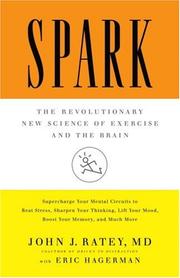
Start with First, Understand Your Body, which lays out the fitness philosophy behind constantly-varied functional movement — the "why" before the "what." Pair it with Spark, a readable tour of how exercise reshapes the brain, so the training feels like more than aesthetics. Together they set the mindset.
Build the strength and skills base
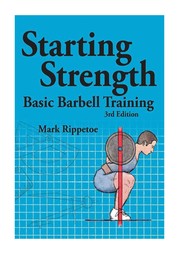
Strength underwrites everything in CrossFit. Starting strength teaches the barbell lifts with self-correcting cues, and Practical programming for strength training shows how to progress them beyond the beginner phase. For the gymnastic side, Overcoming Gravity is the definitive bodyweight-progression manual, and Gymnastics Body builds the mobility and control those movements demand. Work through these and the WOD stops being a scramble.
Move well and stay durable
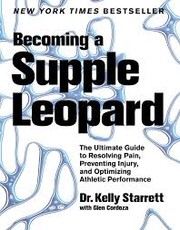
Intensity without mobility is how people get hurt. Becoming a Supple Leopard is the movement and mobility bible — how to squat, hinge, and press with positions that protect your joints. Ready to run applies the same lens to running mechanics, which show up in nearly every metcon. When something does flare up, Rebuilding Milo teaches you how strength coaches think about pain and rehab.
Train the mind for the long haul
Finally, Art of Resilience zooms out to the mental side — enduring discomfort, pacing effort, and the psychology of hard training. It's the book that keeps you consistent after the novelty fades.
An honest note: CrossFit is intense, and books can't watch your form or screen you for injury. Start light, get coaching, and see a clinician for pain — the reading complements a good gym, it doesn't replace one.
Follow the full reading path to go from your first fundamentals class to training that lasts for years.
Follow the full reading path →
Ready to learn something deeply?
Build a reading path — free