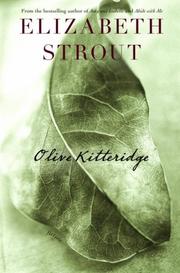
Start with Olive Kitteridge. It is thirteen linked stories in a small Maine town, it won the Pulitzer, and it is the cleanest demonstration of Strout's structural trick — a novel that resolves only in retrospect, built from stories in which the central character is sometimes the subject and sometimes just glimpsed through a window. If that form works on you, everything else will.
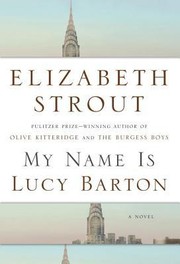
Then read My Name Is Lucy Barton, which is the opposite instrument: 208 pages, first person, spare, and built almost entirely on what a mother and daughter decline to say to each other across five days in a hospital room. Reading one of each before going further is deliberate. Strout does not write a series, but she does not write standalones either — two sequences run in parallel for fifteen years and then merge, and readers usually find they prefer one voice over the other. Better to know which before committing.
The order question, answered
The genuinely contested part of a Strout reading order is where Olive Again goes. Publication order puts it before the last two Amgash novels. This guide puts it after them, and the reason is concrete: Lucy by the Sea physically relocates Lucy to the Maine coast, and that geography is what makes the convergence in the late novels possible. Read in publication order you get the same information; read in this order the two worlds arrive as one map rather than as a coincidence. If you strongly prefer publication order, nothing is spoiled — this is a preference, not a rule. What is a rule is the internal order of the Amgash books.
The Amgash sequence, in strict order
My Name Is Lucy Barton, then Anything is possible, then Oh William!, then Lucy by the Sea. There is no flexibility here. Anything is possible is the answering half of the first book — the people of Amgash, Illinois, including the ones Lucy wrote about and the ones she left behind, telling their side, and containing the material Lucy would not say directly. Reading it first removes the point of both. Oh William! assumes you know Lucy's first marriage from the inside. Lucy by the Sea is a direct continuation set on the Maine coast in 2020.
One honest note: the Lucy voice becomes more mannered as the sequence goes on, with its short declaratives and its repeated qualifications. Whether that is intimacy or a tic is the live argument about these books, and you will form a view somewhere around the third one.
Where the books converge
Olive Again returns to the linked-story form with Olive in her seventies and eighties. It is the more forgiving of the two Olive books, and readers who found her intolerable in the first often turn here. The Burgess Boys is usually shelved as a standalone — two lawyer brothers dragged back to Maine by their nephew's crime against a Somali community — but it belongs in this stage because Bob Burgess becomes a major character later. Then Tell Me Everything, her longest book, puts Olive, Lucy and Bob in the same novel telling each other other people's stories. It works, and it works only if you have read all three strands; almost all of its pleasure is recognition, which is why nothing about it can be sampled.
The early novels, last
Amy and Isabelle is her first novel, a mother and daughter in a mill town across one hot summer, and every later preoccupation is already in it — small-town surveillance, class shame, a mother who cannot say the thing — delivered through a single continuous plot. Abide with me is the least-read of her books and the most openly religious. Read them last on purpose: coming to them after Tell Me Everything, you can see exactly what the linked-story form bought her, which is a far more interesting experience than meeting them first. This stage is honestly a completist's stage. Neither book is required.
Where to stop
Tell Me Everything is the natural finishing line, because it is the book both sequences were built toward. The full order is in the Elizabeth Strout reading path.
Ready to learn something deeply?
Build a reading path — free