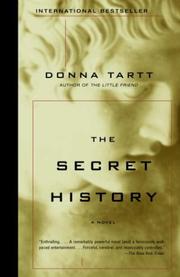
Start with The Secret History. A group of classics students at a small Vermont college, a murder announced on the first page, and 500 pages spent explaining how people talk themselves into it. It is the novel that created an entire aesthetic, and it is her most controlled book — the tension between the narrator's snobbery and his self-awareness never slackens.
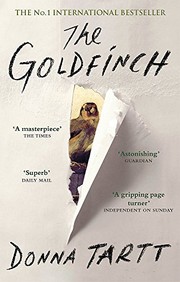
The obvious alternative is The Goldfinch, which won the Pulitzer and sold enormously, and it is the wrong first move for a specific reason: it is nearly 800 pages, its middle section in Las Vegas is the most-skimmed stretch in modern literary fiction, and readers who start there often stall and never return. The Secret History is shorter, tighter and has never needed defending. Read it first and The Goldfinch becomes a much easier proposition.
Note the scale of the task before you plan anything: Tartt has published three novels in roughly thirty years. The entire catalogue is a few weeks' reading.
The three novels, in order
The Secret History, then The Goldfinch, then The Little Friend.
That is not publication order — The Little Friend came second, in 2002 — and the deviation is deliberate. It is the least loved of the three and the one most likely to stop a new reader: a twelve-year-old girl in 1970s Mississippi investigating her brother's murder, in a novel that never tells you who did it. Readers expecting the resolution the premise promises feel cheated, and that reaction is common enough that it deserves stating plainly. Read as a Southern gothic about childhood rather than as a mystery, it is superb, and the snake sequence is the best-sustained set piece she has written. But it is a third book, not a second.
The Goldfinch second, then: a boy, a bombing at a museum, a stolen painting and two decades of consequences. The Amsterdam ending divides people and the Las Vegas section is genuinely long. It is also the most emotionally generous thing she has written.
What to read when you run out — and these are not by Tartt
This path includes four novels by other writers. They are here because Tartt is in open conversation with them, and it is worth being unambiguous: she did not write any of these.
Great Expectations by Charles Dickens is the direct model for The Goldfinch — an orphan, a benefactor, an object that governs a life, and a moral reckoning that arrives late. Tartt has never hidden the debt, and reading Dickens afterwards makes the architecture of her novel visible.
Brideshead Revisited by Evelyn Waugh is the ancestor of The Secret History: a narrator of modest background seduced by a beautiful, doomed, wealthier group, telling the story long after the damage. If you loved the Vermont material, this is the book to read next.
The Talented Mr. Ripley by Patricia Highsmith is the other half of that inheritance — the aesthete as murderer, and a reader manoeuvred into hoping he gets away with it. Highsmith's own views were unpleasant and are much argued over; the novel's grip is not in dispute.
True Grit by Charles Portis is the outlier and the most enjoyable book on this list: a fourteen-year-old girl in the 1870s narrating her pursuit of her father's killer in an unforgettable deadpan. Tartt has championed it publicly and recorded the audiobook, and the connection to The Little Friend — a young girl, absolute moral certainty, a voice that does not flinch — is unmistakable once you have read both.
Where to stop
One book is a complete Tartt experience, and that book is The Secret History. A great many readers stop there happily. Two is the standard reading. Three is for people who want the whole writer, including the difficult one. After that you are waiting, and the gaps between her novels have run to a decade — which is why the four books above are in this path rather than a promise of more.
Browse more author reading orders on Discover.
Follow the full reading path →