Design thinking is easy to reduce to sticky notes and workshops, but the real skill is a way of solving problems that starts with human needs. Reading it in order matters because the process only works once you internalize the underlying empathy — otherwise you're just running rituals. This path builds the mindset, then the concrete methods, then the strategic application.
We move from foundational principles, into hands-on research and prototyping, and finally into scaling design thinking into real innovation.
Build the mindset
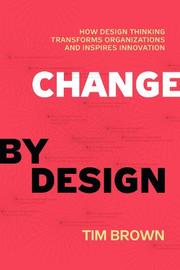
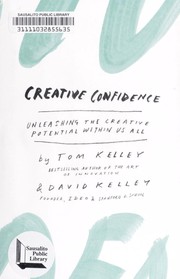
Start with The Psychology of Everyday Things by Donald A. Norman, which teaches you to see design failures as human-centered problems — the root perspective of the whole discipline. Then Change by design by Tim Brown, from IDEO's CEO, defines design thinking as a business methodology. Creative Confidence by Tom Kelley tackles the belief barrier, convincing you that you can think and act creatively.
Learn the methods
The Field Guide to Human-Centered Design by IDEO.org is a practical, step-by-step toolkit for running the process. Interviewing Users: How to Uncover Compelling Insights by Steve Portigal sharpens the single most underrated skill — actually learning what people need rather than what they say. Then Sprint by Jake Knapp compresses the whole approach into a repeatable five-day format you can run this week.
Apply it to innovation
Design thinking earns its keep when it produces things people want. The Lean Startup by Eric Ries pairs it with rapid validation, teaching you to test ideas cheaply before betting on them. Designing for growth by Jeanne Liedtka reframes the toolkit specifically for managers and business strategy.
Close with Ten Types Of Innovation The Discipline Of Building Breakthroughs by Larry Keeley, which broadens your view of where innovation can actually come from. Follow the full path and design thinking becomes a durable way of working, not a one-off workshop.
Follow the full reading path →
Ready to learn something deeply?
Build a reading path — free