Start with Brooklyn. A young woman leaves Enniscorthy in the 1950s for New York, builds a life she did not choose, and is called home. It is short, it is plainly told, and it contains one of the great quiet devastations in modern fiction — a decision made off the page that reorganises everything before it. It is also the book that will teach you how to read Tóibín, because his entire method is withholding, and Brooklyn withholds in a way you can feel.
The obvious alternative is The Master, his novel about Henry James, which critics generally rate as his finest work. It is the wrong first book. It is a slow, interior novel about a writer choosing not to live, and its restraint only reads as mastery once you have seen the same technique applied to a shopgirl in Brooklyn. Come to it third or fourth and it is astonishing. Come to it first and it can read as five hundred pages of a man declining invitations.
The Enniscorthy novels
Brooklyn first, then Nora Webster, which is set in the same town and follows a widow with four children through the years after her husband's death. Almost nothing happens: she goes back to work, buys a record player, dyes her hair. It is the most complete portrait he has written of grief as an administrative problem, and many readers find it his most moving book.
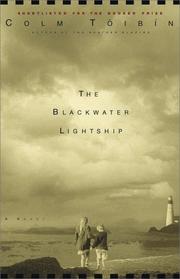
The Blackwater lightship belongs here too — three generations of women in a crumbling house on the Wexford coast, gathered because a son is dying of AIDS. It is the most direct of the Irish novels and the shortest route into his family material.
The heather blazing rounds out the group: an Irish judge, his summers on the same coast, a life spent applying rules to other people. It is the least read of the four and quietly one of the best.
Long Island is the sequel to Brooklyn, catalogued here as Long Island, returning to the same woman twenty years later. Read it directly after Brooklyn if you want the story completed, or save it — it works either way, but it is meaningless without the first book.
The novels away from Ireland
The Master is the one to reach for once the Enniscorthy books have taught you the register.
The testament of Mary is a hundred pages in the voice of the mother of Jesus, refusing the version of events that has been built around her. It is fierce, compressed and the least characteristic thing he has written. It was contested on publication for obvious reasons; it is not interested in blasphemy so much as in a woman being edited out of her own account.
House of Names retells the Clytemnestra and Orestes story. It is the outlier and the least admired of the novels, and readers who find his Irish fiction hypnotic often find this one inert. It is fair to skip it.
The nonfiction
Love in a Dark Time collects essays on gay writers and artists — Wilde, Mann, Bishop, Almodóvar among them — and is the best entry to his criticism. Mad, bad, dangerous to know is about the fathers of Wilde, Yeats and Joyce, and is enormously entertaining on how Irish literary reputation gets manufactured. If that subject interests you, the James Joyce reading path is the natural next step.
Where to stop
Three novels make a complete reading: Brooklyn, Nora Webster and The Master. Add Long Island if you want the Brooklyn story closed, and The testament of Mary if you want to see what he does with a hundred pages and no room to be polite. The honest warning applies throughout: Tóibín writes about restraint, in a style that is itself restrained, and if you need incident you will find all of these books slow. That slowness is the argument, not a flaw in the execution — but it is not for everyone, and one novel is enough to find out.
Browse more author reading orders on Discover.
Follow the full reading path →