Most people who try to learn coding quit not because it is too hard but because they started in the wrong place. They open a syntax tutorial, memorize some commands, and never build the mental model of what a computer is actually doing. The moment something breaks, they have nothing to reason from.
A good reading order fixes that. First understand what computing even is, then learn a friendly language well enough to build things, then pick up the habits that keep code readable as it grows. Do it in this sequence and each book answers a question the previous one raised.
Build a mental model first
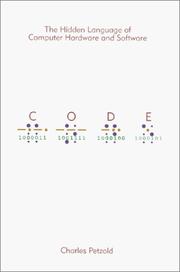
Start with Code. Charles Petzold builds a computer up from light switches and telegraph relays, so that concepts like binary, logic gates, and memory feel inevitable rather than arbitrary. It is not about any language — it is about finally understanding the machine you are writing for.
Then read How to think like a computer scientist, which introduces the core ideas of programming — variables, functions, conditionals, loops — with an emphasis on problem-solving over syntax trivia.
Learn a language and build real things
Python is the ideal first language, and Python crash course is the ideal first book: gentle, project-driven, and complete. Follow it immediately with Automate the Boring Stuff with Python, which turns your new skills toward tasks worth doing and keeps motivation high by producing useful results.
When you want to deepen your Python and practice deliberately, Learn More Python 3 the Hard Way drills the fundamentals through repetition, and Think Python strengthens the underlying reasoning — decomposition, debugging, and the discipline of testing your assumptions.
Grow from coder to programmer
Writing code that works is the beginning; writing code others can read is the real skill. The self-taught programmer is the bridge from beginner tutorials to being able to learn independently — it maps out version control, data structures, and the broader landscape you now need. Then Clean Code teaches the habits that separate hobby scripts from professional software: meaningful names, small functions, and honest structure.
Follow the full path and you will not just have run some code — you will understand what you are doing and be ready for the SQL, data, and spreadsheet paths that build on it.
Follow the full reading path →
Ready to learn something deeply?
Build a reading path — free