SQL looks like the easiest thing in tech: a few English-like keywords and you are pulling rows. Then reality arrives — a join returns duplicate rows, a query crawls, a schema that seemed fine makes every new feature painful. The gap between writing queries and understanding databases is wide, and skipping it produces slow, fragile systems.
The right reading order closes that gap in stages: first fluency with queries, then the discipline of good data modeling, then the internals that explain why databases behave as they do. Each layer makes the next one make sense.
Get fluent with queries
Start with Learning SQL. Alan Beaulieu teaches the language cleanly, building from SELECT to joins to subqueries with exercises that stick. Reinforce it with SQL Queries for Mere Mortals, which is patient and thorough about the logic of set-based thinking — the mental shift that trips up people coming from spreadsheets.
Design data that lasts
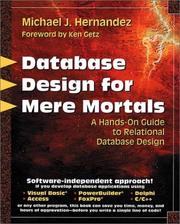
Queries are only as good as the schema underneath them. Database Design for Mere Mortals is the accessible classic on normalization and relationships, and it will save you from the design mistakes that haunt projects for years. For the rigorous theory behind it, An introduction to database systems by C. J. Date is the deep reference on the relational model.
Level up your query power
Back to practice with sharper tools. SQL Cookbook is a problem-solution collection that shows the elegant way to do things you were about to do the hard way. T-SQL Window Functions goes deep on window functions specifically — running totals, rankings, gaps-and-islands — which unlock analytics that are painful without them.
Understand the engine
Finally, look under the hood. Database Internals explains storage engines, B-trees, and distributed systems concepts so you know what your queries actually cost. Transaction processing by Jim Gray is the definitive treatment of concurrency, isolation, and recovery. High Performance MySQL grounds all of it in tuning a real engine, and Designing Data-Intensive Applications zooms out to how databases fit into systems that must stay reliable at scale — a perfect bridge into the system-design and back-end paths.
Read the path in order and you move from someone who writes queries to someone who understands data.
Follow the full reading path →
Ready to learn something deeply?
Build a reading path — free