JavaScript is deceptively easy to start and genuinely hard to master. You can wire up a button on day one, but the language hides sharp edges — closures, prototypes, asynchronous timing, coercion — that quietly break code written by people who never learned them properly. Most self-taught developers carry those gaps for years.
The cure is sequence. Learn the friendly, visual basics first so you stay motivated; then deliberately study the confusing core; then absorb the patterns that experienced engineers use to keep large codebases sane. Reading these books in order means each hard idea lands when you are ready for it, not before.
Get comfortable and shipping
Start with JavaScript and JQuery: Interactive Front-End Web Development, whose full-color, example-first style makes the first weeks painless and connects JavaScript to the pages it manipulates. Head First JavaScript Programming reinforces the fundamentals with a memorable, puzzle-driven approach that fights the "I read it but forgot it" problem.
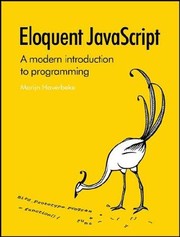
Then read Eloquent Javascript. It is where the language starts to feel like a real programming language rather than a scripting toy — recursion, higher-order functions, and small projects that stretch you.
Understand the parts that break people
This is the section most developers skip and later regret. You Don't Know JS: Scope & Closures and You Don't Know JS: this & Object Prototypes dig into exactly the mechanics that cause mystifying bugs. Read them slowly; they are short but deep.
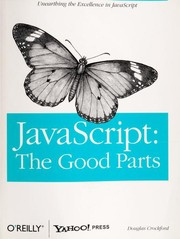
Pair those with Douglas Crockford's JavaScript, the famous "good parts" argument for writing in the trustworthy subset of the language, and Understanding ECMAScript 6: The Definitive Guide for JavaScript Developers to master the modern syntax — let/const, arrow functions, modules, promises — that today's codebases assume you know. Async Javascript Build More Responsive Apps With Less Code tackles the timing model head-on, which is where beginners lose the most hours.
Write it the way professionals do
With the core solid, study craft. JavaScript Patterns catalogs the reusable structures that keep growing code maintainable. Finally, David Flanagan's JavaScript is the comprehensive reference you keep on the shelf and return to for years — the book you read cover-to-cover once and then consult forever.
Work the path in order and JavaScript stops feeling like a language of surprises. From here the front-end, back-end, and data paths all open up, because you finally understand the language underneath them.
Follow the full reading path →
Ready to learn something deeply?
Build a reading path — free