Learning COBOL well means learning the world it lives in. The language itself is straightforward, but real COBOL work sits inside a mainframe ecosystem of z/OS, JCL, DB2, and CICS, and a book that assumes you know that context will leave a self-taught programmer stranded. That is why order matters: language first, then the platform.
This path grounds you in COBOL, then adds the enterprise surroundings that make you employable, and finishes on the reality of modernizing decades-old systems.
Learn the language
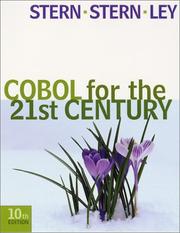
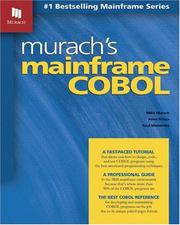
Start with COBOL for the 21st century, a clear, current introduction to the language and its structure. Reinforce it with Murach's mainframe COBOL, a famously practical, hands-on text aimed squarely at real mainframe work, and Structured COBOL programming for disciplined, well-organized coding habits. Between these you will have a solid, working command of the language.
Enter the mainframe world
Now add the ecosystem. Enterprise COBOL for z/OS Programming Guide connects your COBOL to IBM's actual enterprise platform. Murach's OS/390 and z/OS JCL teaches Job Control Language, which is how mainframe work actually gets run, and DB2 for the COBOL Programmer. Part 1 shows how COBOL programs talk to the databases enterprises run on. Then CICS Application Programming covers the transaction-processing system behind countless production COBOL applications.
Face the legacy reality
Most COBOL careers involve maintaining and evolving old code, so Modernizing Legacy Systems gives you the strategies for refactoring, integrating, and modernizing the enormous COBOL codebases still running the world's banks and insurers. It reframes COBOL work as the high-stakes maintenance it usually is.
Follow this order and you will be equipped not just to write COBOL but to work inside the mainframe environment where it lives. Follow the full path to keep the sequence.
Follow the full reading path →
Ready to learn something deeply?
Build a reading path — free