Incident response is a discipline you learn best in a deliberate order because it combines several skills that build on each other: you have to detect a compromise, investigate it forensically, hunt for what you missed, and wrap it all in a repeatable process. Skip the detection and monitoring foundation and the forensics books will feel like solving a crime with no crime scene. A note up front: these books complement hands-on training and real drills, and no book substitutes for practice under pressure.
The path moves from visibility to investigation to hunting to process.
Build visibility first
Start with The practice of network security monitoring, which teaches you to see what is happening on your network in the first place, the prerequisite for responding to anything. Then Incident Response & Computer Forensics, Third Edition is the canonical end-to-end guide to running an investigation once an alarm goes off. These two set your baseline.
Investigate deeply
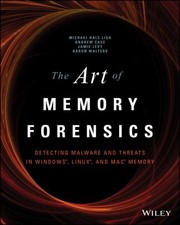
Go deeper with The Art of Memory Forensics, which unlocks the volatile evidence in RAM that disk forensics misses entirely. Broaden your toolkit with Digital forensics with open source tools for practical, no-license investigation, and revisit detection strategy with The Tao of Network Security Monitoring for the philosophy behind effective monitoring.
Hunt, respond, and systematize
Move from reacting to proactively looking with Threat Hunting with Elastic Stack, which teaches you to search for adversaries before they trip an alarm. Understand the attacker's playbook via The Hacker Playbook 3: Practical Guide To Penetration Testing, keep Operator Handbook nearby as a field reference, and use Cybersecurity Incident Management Masters Guide for the management and coordination side. Finish with Crafting the InfoSec playbook, which turns everything into the repeatable, documented process a real team runs on.
These books support, but do not replace, formal training, tabletop exercises, and live experience. Follow the full path to keep the sequence.
Follow the full reading path →
Ready to learn something deeply?
Build a reading path — free