Perl gives you many ways to do the same thing, which is a strength and a trap. That flexibility is exactly why reading order matters: learn Perl haphazardly and you absorb the write-only habits that gave the language its reputation. Learn it deliberately and it becomes an expressive, maintainable tool.
This path takes you from a clean introduction through the deep reference, past regular expressions (where Perl genuinely shines), into intermediate and advanced techniques, and finally to the modern conventions that keep code readable.
Learn the language cleanly
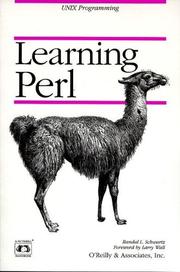
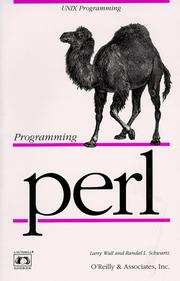
Start with Learning Perl, the gentle, well-structured introduction that gets you writing correct programs quickly. Follow it with Beginning Perl for a broader, example-rich pass over the same ground. Then keep Programming Perl, the definitive reference, on hand as the book you grow into rather than read cover to cover.
Master text and regular expressions
Perl and regular expressions are inseparable, so Mastering Regular Expressions is essential here; it teaches the pattern-matching engine deeply enough that you will use it well in any language afterward. This is the single highest-return topic for a Perl programmer.
Go intermediate, advanced, and modern
Level up with Intermediate Perl, which covers references, modules, and object-oriented Perl, and Advanced Perl programming for the deeper metaprogramming and internals. Then adopt discipline with Perl Best Practices, the book that turns Perl's freedom into readable, consistent code. Finish with Modern Perl, which teaches the language as it is actually written today, with current idioms and tooling.
Read in this order and Perl stops being a tangle of symbols and becomes a precise, powerful language you can maintain. Follow the full path to keep the sequence.
Follow the full reading path →
Ready to learn something deeply?
Build a reading path — free