Subjects / Concurrent and parallel programming
Best books to learn Concurrent and parallel programming, in order
Concurrency is where confident programmers get humbled, because the bugs are non-deterministic and intuition betrays you. A good path builds the mental model deliberately: threads, shared state, and the reasons locks exist first, then the classic hazards (races, deadlocks), before moving to lock-free structures, async models, and the multicore designs that trade simplicity for speed.
Reading paths for concurrent and parallel programming

Learn Concurrent and Parallel Programming: Best Books
Beginner9books99 hrs5 stages
@codesherpa♥ 0
Popular concurrent and parallel programming books

Related reading
Frequently asked questions
- How should I approach learning concurrent and parallel programming?
- Concurrency is where confident programmers get humbled, because the bugs are non-deterministic and intuition betrays you. A good path builds the mental model deliberately: threads, shared state, and the reasons locks exist first, then the classic hazards (races, deadlocks), before moving to lock-free structures, async models, and the multicore designs that trade simplicity for speed.
- What's a good book to start concurrent and parallel programming with?
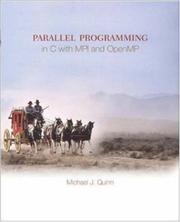
- A strong starting point is Parallel Programming in C with MPI and OpenMP by Michael J. Quinn. The ordered reading paths above show exactly where it fits and what to read next.
- What should I read after concurrent and parallel programming?
- Once you have the fundamentals, explore closely related subjects like GPU programming with CUDA, Regular expressions, Domain-driven design.