A great composer biography can transform how a piece sounds — but only if you can already hear what the composer did. Read the lives with an untrained ear and the musical revolutions stay abstract; build a little listening skill first and the same books become thrilling. So this path starts with orientation and ear-training in prose, then walks the major composers in roughly chronological order, letting each life build on the era before it.
Best Books on Classical Composers, in Reading Order
July 14, 2026 · 3 min read
Get oriented and learn to listen
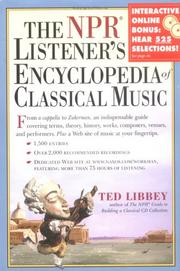
Start with a map. The NPR Listener's Encyclopedia of Classical Music by Ted Libbey is a browsable guide to the composers, works, and terms — the reference you keep returning to. Then train your ear with How to Listen to and Understand Great Music by Robert Greenberg, which teaches the vocabulary and structures that make everything afterward legible. With those in hand, the biographies stop being lists of dates and start being stories about sound.
The Baroque and Classical giants
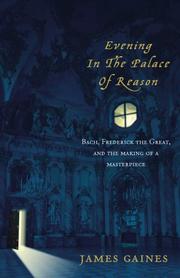
Begin the lives with Evening in the Palace of Reason by James R. Gaines, a dual portrait of Bach and Frederick the Great that captures the end of the Baroque and its worldview. Move to Mozart: A Life by Maynard Solomon, a psychologically searching biography of the Classical era's brightest figure, and then Beethoven by Jan Swafford — the definitive modern life of the composer who broke the Classical mold and dragged music into the Romantic age.
The Romantics and into the modern
Continue chronologically as the language expands. Schubert: A Musical Biography by Brian Newbould covers the early Romantic song and symphony; Wagner: The Last of the Titans by Joachim Köhler tackles the era's most ambitious — and most controversial — dramatist; and Brahms, his life and work by Karl Geiringer follows the composer who carried the Classical tradition forward against Wagner's tide.
Finish at the threshold of the modern. Debussy by Stephen Walsh charts the dissolving of tonal certainty, Mahler by Jonathan Carr covers the vast late-Romantic symphony straining toward something new, and Stravinsky : A Creative Spring by Stephen Walsh lands you in the twentieth century where the rules were rewritten entirely.
Read in this order, each composer's innovations make sense as a response to the last, and your listening deepens the whole way through.
Listen alongside every biography
These books are only half the experience; the other half is on your speakers. Pair each life with its music: read Beethoven while working through the symphonies and late quartets, read Debussy while sitting with the preludes, and let How to Listen to and Understand Great Music give you the vocabulary to notice what is happening. You do not need to consume a composer's entire output — pick a few representative works and return to them as the biography explains their context, and they will open up. Keep The NPR Listener's Encyclopedia of Classical Music on hand to look up an unfamiliar form or term the moment it comes up, so nothing stays abstract. Approached this way, the path is less a stack of biographies than a guided tour through three centuries of changing sound, where each composer you meet makes the next one's daring easier to hear. Follow the full classical composers path for each stage's study plan, or browse related arts paths.
FAQ
- Do I need to read music to enjoy these books?
- No. How to Listen to and Understand Great Music teaches the listening vocabulary in plain language, and the biographies are written for general readers, not specialists.
- Should I read the composer biographies in order?
- Roughly chronological order works best, because each composer's innovations respond to the era before. Starting with Bach and Mozart before Beethoven and the Romantics makes the musical changes far clearer.
Get the books
- 1Amazon ↗
- 2How to Listen to and Understand Great MusicAmazon ↗Professor Robert Greenberg
- 3Evening in the Palace of ReasonAmazon ↗James R. Gaines
- 4mozart a lifeAmazon ↗maynard solomon
- 5BeethovenAmazon ↗Jan Swafford
- 6SchubertAmazon ↗Brian Newbould
As an Amazon Associate we earn from qualifying purchases. Some book links are affiliate links; you pay the same price and we may earn a small commission.
Follow the full reading path

Classical composers: books to understand and love the music
Beginner10books131 hrs4 stages
@craftsherpa♥ 0
Ready to learn something deeply?
Build a reading path — free