More than almost any instrument, the flute lives or dies on tone. A beautiful sound is not a bonus you add later — it is the thing you practice from day one, through the precise shaping of your air and embouchure. The trap for self-learners is treating tone as an afterthought and drilling notes instead. The reading order below front-loads sound and breath, then layers on reading, scales, and studies in a way that keeps your tone developing the whole time.
Best Flute Books for Beginners, in Reading Order
July 14, 2026 · 2 min read
Foundations: tone and first reading
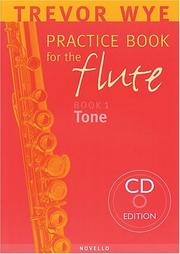
Begin with a A Trevor Wye practice book for the flute, the gentle on-ramp into Wye's renowned tone-first approach; it makes the abstract idea of "good sound" into concrete daily exercises. Pair it with the Rubank Elementary Method for Flute, a classic sequential method for note reading, rhythm, and fingering that gives your growing tone somewhere to be used. When you want the full picture, Flute 101: Mastering the Basics by Phyllis Louke is a well-organized modern beginner method that ties setup, reading, and first pieces together.
Core: musical practice and studies
As reading gets comfortable, add graded musical material. 24 Short Concert Pieces by Köhler gives you real, performable miniatures that build phrasing and expression, and Melodious and Progressive Studies, Book 1 by Cavally is the standard intermediate study collection that bridges method-book exercises and actual repertoire.
Depth: technique, scales, and finger drills
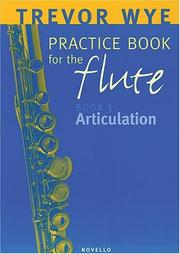
Now sharpen the machinery. A Trevor Wye Practice Book for the Flute, Vol. 3 focuses on articulation — the tonguing that makes fast passages clean — which is best tackled once tone and reading are secure. The Flute Scale Book by Patricia George turns scales and arpeggios into a systematic daily routine, the quiet foundation of technical fluency. Finally, 17 Big Daily Finger Exercises by Theobald Boehm — from the man who designed the modern flute — is the demanding finger regimen you graduate into when you want real velocity and evenness across the range.
Worked in this order, each stage keeps feeding your tone rather than pulling attention away from it, and the harder technical books arrive only when your sound can support them.
Make tone the daily habit
The thread running through this whole path is sound, so make it the first thing you practice, not the last. Begin every session with a few minutes of long tones and the harmonics exercises from A Trevor Wye practice book for the flute, listening for a clear, centered, in-tune note before you play anything else. A tuner and a recording device are your two best friends: intonation on the flute drifts with air speed and embouchure, and you cannot fix what you cannot hear objectively. When you reach the finger-heavy material in 17 Big Daily Finger Exercises, resist the temptation to play fast and messy — set the metronome slow enough that every note speaks cleanly, then raise it by small increments. Fluency built on a clean, controlled tone lasts; speed built on tension has to be unlearned. Follow the full flute path to see each stage with its study plan, or browse related paths across instruments and music.
FAQ
- Why is so much of this path about tone?
- Because tone is the flute's defining skill and it is built through daily, deliberate practice — which is exactly why the Trevor Wye practice books anchor the path. Neglecting tone early is the most common self-taught mistake.
- Are the Boehm finger exercises for beginners?
- No. 17 Big Daily Finger Exercises is a later-stage technical regimen. Build tone, reading, and basic technique first with Wye and Rubank, then use Boehm to develop speed and evenness.
Get the books
As an Amazon Associate we earn from qualifying purchases. Some book links are affiliate links; you pay the same price and we may earn a small commission.
Follow the full reading path
Learn flute: essential method and technique books for beginners
Beginner3books2 hrs3 stages
@craftsherpa♥ 0
Ready to learn something deeply?
Build a reading path — free