Mixing and mastering get lumped together, but they are different skills stacked on top of a shared foundation. Mixing is balancing many tracks into one convincing whole; mastering is the final, holistic polish that makes that whole translate everywhere. Learn them out of order — reaching for mastering-grade decisions before you can hear a balance — and you chase your tail. The path below moves from how sound and music actually work, through the craft of mixing, into mastering as its own discipline.
Best Books on Mixing and Mastering, in Reading Order
July 14, 2026 · 3 min read
Foundations: how sound and music work
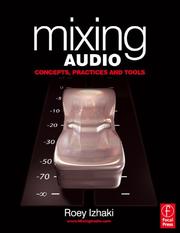
Start wide. How Music Works by David Byrne is not a technical manual; it is a musician's account of how context, space, and arrangement shape what a recording should even be — the frame every good engineer keeps in mind. From there, Mixing Audio by Roey Izhaki is the closest thing to a textbook on the subject: it explains the reasoning behind EQ, compression, panning, and space in real depth, giving you principles instead of presets.
Core: the craft of mixing
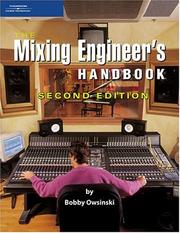
Now get practical and opinionated. The Mixing Engineer's Handbook by Bobby Owsinski is the field standard — a working method for building a mix, with interviews that reveal how pros actually decide. Zen and the art of mixing by Mixerman reframes mixing around intent and emotion, which is the antidote to knob-twiddling without a goal. The art of mixing by David Gibson adds a genuinely useful mental model: a visual, spatial way to picture where each element sits in the stereo field and frequency spectrum.
For those working in a specific environment, Producing music with Ableton Live by Jake Perrine grounds these ideas in a concrete DAW workflow so the concepts turn into moves you can make tonight.
Depth: mastering as its own craft
Only after you can reliably balance a mix should you study mastering. Mastering Audio by Bob Katz is the definitive text — loudness, dynamics, metering, and the ethics of the "loudness war" — and it will change how you hear finished records. Close with The mastering engineer's handbook by Bobby Owsinski, the practical companion that walks the mastering session start to finish and connects it back to the mixing decisions you now understand.
Read this way, mixing teaches you to hear balance and mastering teaches you to protect it.
Train your ears, not just your plugins
The hidden prerequisite behind every book here is critical listening, and it is the skill most beginners skip. You can memorize every technique in The Mixing Engineer's Handbook and still make muddy mixes if your ears cannot hear the problem in the first place. So as you read, practice actively: reference commercial tracks in the same genre, mix at low volume to judge balance honestly, and check your work on multiple systems — headphones, laptop speakers, the car. Take regular breaks, because tired ears lie. The concepts in Mixing Audio only become useful once you can connect a move (a small EQ cut, a touch of compression) to a change you can actually hear. And treat the loudness discipline in Mastering Audio as a mindset, not a setting: the goal is a mix that translates and breathes, not one that is merely loud. Follow the full mixing and mastering path for each stage's study plan, or explore related creative paths.
FAQ
- Should I learn mixing or mastering first?
- Mixing first, without question. Mastering decisions depend on being able to hear and build a balanced mix. This path deliberately places Bob Katz's Mastering Audio after the mixing books for that reason.
- Do these books work for home-studio producers?
- Yes. The principles in Mixing Audio and The Mixing Engineer's Handbook apply at any budget, and Producing music with Ableton Live grounds them in an affordable, common workflow.
Get the books
- 1How Music WorksAmazon ↗David Byrne
- 2Mixing AudioAmazon ↗Roey Izhaki
- 3The Mixing Engineer's HandbookAmazon ↗Bobby Owsinski
- 4Zen and the art of mixingAmazon ↗Mixerman
- 5The art of mixingAmazon ↗David Gibson
- 6Producing music with Ableton LiveAmazon ↗Jake Perrine
As an Amazon Associate we earn from qualifying purchases. Some book links are affiliate links; you pay the same price and we may earn a small commission.
Follow the full reading path

Mixing and mastering: books to finish pro-sounding tracks
Beginner8books50 hrs4 stages
@craftsherpa♥ 0
Ready to learn something deeply?
Build a reading path — free