No band has been written about more, or more unreliably, than the Beatles. Decades of memoir, myth, and score-settling mean the story you think you know is often someone's later reconstruction. That is precisely why order matters here: read the right books in sequence and you build from firsthand accounts to rigorously documented history to critical analysis — and you learn to spot where the legends were invented. This path is for the fan who wants the real story and a richer relationship with the records.
Best Beatles Books to Read, in Order
July 14, 2026 · 3 min read
Start close to the source
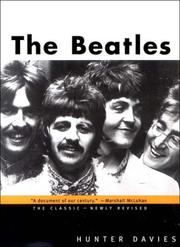
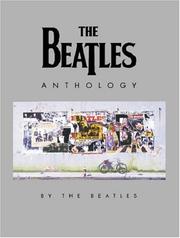
Begin with The Beatles by Hunter Davies, the only authorized biography written while the band was still together — invaluable precisely because it captures them in the moment, before hindsight rewrote everything. Then let them speak for themselves in The Beatles Anthology, the band's own oral history in their words and images. To anchor everything in fact, The Complete Beatles Recording Sessions by Mark Lewisohn documents exactly what happened in the studio, date by date, and becomes the reference you check every other book against.
Understand the music and the making
Now go deeper into how the records were actually made. Revolution in the head by Ian MacDonald analyzes every song in recording order — musically and culturally — and is the book that turns listening into understanding. Here, There and Everywhere by Geoff Emerick gives the engineer's-chair view of those sessions, the sonic experiments behind the sound. Paul McCartney. Many Years From Now by Barry Miles offers McCartney's detailed perspective on the songwriting and the era, a crucial counterweight to the Lennon-centered narratives that dominated for years.
The definitive history and the critical lens
For the deepest dive, Tune In : The Beatles by Mark Lewisohn is the first volume of the most exhaustively researched Beatles biography ever attempted — the gold standard for what actually happened up to 1962. Then step back and read the historiography itself: Beatles and the Historians by Erin Torkelson Weber examines how the story has been told and distorted, which retroactively sharpens everything you have read.
Close by widening the frame. Can't Buy Me Love by Jonathan Gould places the band in its full British-and-American cultural context, and Beatles vs. Stones by John McMillian uses the famous rivalry to illuminate both bands and the era.
Read with the records playing
The best way through this path is to keep the music beside the books. When Revolution in the head dissects a song, cue it up and listen for what MacDonald describes; when The Complete Beatles Recording Sessions details a day at Abbey Road, put on the track that came out of it. The reading and the listening amplify each other, and details you would skim on the page become vivid once you can hear them. It also helps to hold the sources in tension rather than trusting any one. The Beatles Anthology is the band's own memory, shaped by decades of hindsight; Tune In : The Beatles is Lewisohn's meticulous reconstruction from primary records; and Beatles and the Historians explicitly teaches you to weigh those accounts against each other. Reading this way, you come out not just knowing more Beatles trivia but understanding how the story itself was assembled — and hearing the music more deeply for it. Follow the full Beatles reading path for the stage-by-stage plan, or explore related paths in music and the arts.
FAQ
- Where should a new Beatles reader actually start?
- With Hunter Davies's The Beatles for the contemporary view and The Beatles Anthology for their own account. Save Lewisohn's deeply detailed Tune In for once you want the definitive history.
- Which book best explains the music itself?
- Revolution in the head by Ian MacDonald analyzes every song and is the standard recommendation for understanding the actual music, with Here, There and Everywhere adding the studio-craft side.
Get the books
- 1The BeatlesAmazon ↗Hunter Davies
- 2The Beatles AnthologyAmazon ↗The Beatles
- 3The Complete Beatles Recording SessionsAmazon ↗Mark Lewisohn
- 4Revolution in the headAmazon ↗Ian MacDonald
- 5Here, There and EverywhereAmazon ↗Geoff Emerick
- 6Paul McCartney. Many Years From NowAmazon ↗Barry Miles
As an Amazon Associate we earn from qualifying purchases. Some book links are affiliate links; you pay the same price and we may earn a small commission.
Follow the full reading path

The Beatles: an ordered reading list for real fans
Beginner10books111 hrs5 stages
@craftsherpa♥ 0
Ready to learn something deeply?
Build a reading path — free