Newcomers to cinematography usually start with the wrong question: which camera should I buy? The gear matters far less than the ability to tell a story with framing, movement, and light, and that ability is built by studying visual language before technical craft. Read the lighting manuals first and you will have expensive tools and nothing to say with them. Read in order and the technical books finally have a purpose.
The path moves from how images tell stories, to how shots are designed, to the deep craft of lighting, and finally to the philosophy of the great cinematographers.
Learn the visual language first
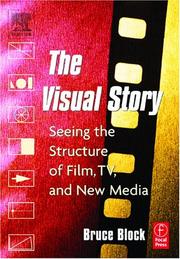
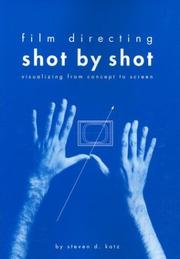
Begin with Bruce Block's The Visual Story, which teaches the visual components, contrast, movement, space, that carry emotion and structure independent of dialogue. It is the grammar underneath everything else. Then study how those components become shots with Steven Katz's Film directing shot by shot, the classic on staging, coverage, and visualizing a scene before you shoot it.
Build technical and lighting craft
Now the craft. Blain Brown's Cinematography: Theory and Practice is the comprehensive modern textbook, covering exposure, lenses, color, and workflow in one place. David Elkins's The camera assistant's manual grounds you in on-set procedure and the discipline of the camera department. Then go deep on light, the heart of the craft: Ross Lowell's Matters of Light & Depth, Blain Brown's Motion Picture and Video Lighting, and Harry Box's Set lighting technician's handbook together take you from the aesthetics of light to the practical rigging that produces it.
Study the masters and the philosophy
Finally, learn from those who did it best. Five Came Back looks at legendary filmmakers through a historical lens, and John Alton's Painting with light is the poetic, foundational text by a master of shadow whose ideas still shape the field. Gustavo Mercado's The filmmaker's eye connects composition theory to real film frames shot by shot, and Robert Bresson's Notes on cinematography closes the path with a spare, philosophical meditation on the image itself.
Follow the full reading path to move from operating a camera to shooting images that actually tell a story.
Follow the full reading path →
Ready to learn something deeply?
Build a reading path — free