The bass guitar is famously welcoming — you can hold down a simple line after a few weeks — and famously deep, because the difference between a beginner and a real bassist is not flashy technique but feel, timing, and knowing exactly which note to play. That gap is closed by working in the right order: solid fundamentals and finger technique first, then the grooves and lines that make a bassist useful, then the theory that lets you play anything, and finally the advanced techniques that most people rush toward far too early. Learn it in sequence and you become the player bands actually want.
Best Books to Learn Bass Guitar, in the Right Order
July 14, 2026 · 2 min read
Method and technique
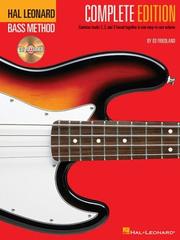
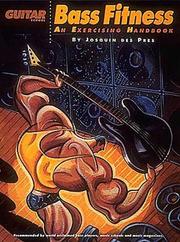
Start with a real foundation. Hal Leonard Bass Method - Complete Edition by Ed Friedland is the standard, thorough beginner's course covering technique, reading, and fundamentals in careful steps. Pair it with Bass Fitness - An Exercising Handbook by Josquin des Pres, a collection of exercises that build finger strength, dexterity, and independence. Together they give you clean hands and good habits — the unglamorous work that everything else depends on.
Groove, lines, and theory
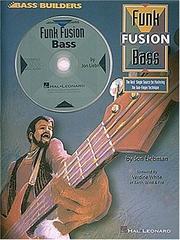
Now build the vocabulary that makes a bassist. Funk fusion bass by Jon Liebman develops the funk feel and technique at the heart of the instrument's role. The Bassist's Bible by Tim Boomer and Mick Berry surveys bass across many genres, broadening your stylistic range. Crucially, Music Theory for the Bass Player by Ariane Cap teaches theory from a bassist's perspective — arguably the single most valuable step, because understanding harmony is what frees you from patterns. And Building Walking Bass Lines by Ed Friedland teaches the essential jazz and blues skill of constructing lines that move — a foundational musicianship builder even outside jazz.
Work these together: a groove book, a theory book, and a lines book, so technique and understanding grow at the same pace.
Advanced technique and time
Finally, the flashier and deeper skills, in their proper place. Slap Bass Bible by Nathan East is the comprehensive guide to slap and pop technique — the thing beginners chase first and should reach here, on top of solid fundamentals. And The Rhythmic Bass Bible by Rich Appleman sharpens the most important bass skill of all: rock-solid time and rhythmic vocabulary, the quality that separates good bassists from great ones.
That is the arc — technique, groove and theory, then advanced skills and timing — each stage earning the next. Follow the full path in order and you become a bassist who serves the song and can still turn heads.
FAQ
- Is bass easier to learn than guitar?
- It is easier to start, since simple bass lines use fewer notes, but mastering feel, timing, and note choice is just as deep. Theory books like Music Theory for the Bass Player show how much there is beyond the basics.
- Should I learn slap bass first?
- No. Slap is exciting but should come after solid fundamentals, timing, and theory. This path places Slap Bass Bible near the end so your slap sits on a foundation of real groove and control.
Get the books
- 1Hal Leonard Bass Method - Complete EditionAmazon ↗Ed Friedland
- 2Bass Fitness - An Exercising HandbookAmazon ↗Josquin des Pres
- 3Funk fusion bassAmazon ↗Jon Liebman
- 4The Bassist's BibleAmazon ↗Tim Boomer,Mick Berry
- 5Music Theory for the Bass PlayerAmazon ↗Ariane Cap
- 6Building Walking Bass LinesAmazon ↗Ed Friedland
As an Amazon Associate we earn from qualifying purchases. Some book links are affiliate links; you pay the same price and we may earn a small commission.
Follow the full reading path
Bass guitar for beginners: the best books to lock in the groove
Beginner6books14 hrs3 stages
@craftsherpa♥ 0
Ready to learn something deeply?
Build a reading path — free