Drumming has an unusual literature: a handful of foundational books that virtually every serious drummer works through, in roughly the same order, for a century. The reason is that the instrument is built on physical fundamentals — stick control, coordination, and reading rhythm — that have to be trained before any genre or flashy fill makes sense. Try to learn licks before you own your hands and you build on sand. Follow the traditional order and you develop the control, independence, and vocabulary that let you play anything. This path walks that time-tested sequence from first sticking to genre mastery.
Best Books to Learn the Drums, in Reading Order
July 14, 2026 · 2 min read
Hands and reading first
Start with the two things drummers train before all else. Stick Control by George Lawrence Stone is the legendary foundation for hand technique — the book generations of drummers have used to build control, evenness, and speed. Alongside it, Drumming: The Complete Guide for Beginners by Rich Lackowski orients a newcomer to the kit, notation, and basic beats. And Progressive Steps to Syncopation for the Modern Drummer by Ted Reed — universally just called "Syncopation" — is the essential reading and coordination text, endlessly adaptable for building independence. These three are the bedrock every drummer stands on.
Coordination and groove
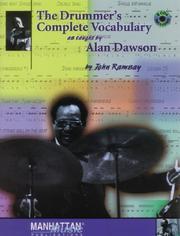
Once your hands and reading are solid, build the four-limb independence that grooving requires. The Drummer's Complete Vocabulary As Taught by Alan Dawson by John Ramsay teaches a systematic approach to coordination and rudimental jazz drumming. The Funky Drummer by Clyde Stubblefield connects you to the source of funk feel from the drummer who defined it. And Future Sounds by David Garibaldi is the modern classic for funk independence and linear grooves. Work these together to turn technique into feel.
Chops, power, and genre
Now develop speed, versatility, and style. Advanced techniques for the modern drummer by Jim Chapin is the definitive book on jazz independence and the moeller technique. The Ultimate Realistic Rock Drum Method by Carmine Appice builds rock power and vocabulary. The Art of Bop Drumming by John Riley teaches the language of jazz drumming from the ground up. And Drumset Essentials by Peter Erskine rounds out your musicianship with a working professional's approach to playing tastefully across styles. These make you a drummer who can sit in anywhere.
That is the sequence — hands and reading, coordination and groove, then chops and genre — each stage earning the next. Follow the full path in order and you build the kind of foundation that never stops paying off.
FAQ
- Do I need a drum kit to start these books?
- For the first foundations, not entirely. Stick Control and syncopation reading can be practiced on a pad, which is how many drummers begin. A full kit becomes essential once you reach the coordination and groove books.
- Why do so many drummers use the same few books?
- Because drumming's fundamentals — stick control, reading, coordination — are universal, and classics like Stick Control and Progressive Steps to Syncopation train them so effectively that they have never been bettered.
Get the books
- 1Stick ControlAmazon ↗George Lawrence Stone
- 2Amazon ↗
- 3Amazon ↗
- 4Future SoundsAmazon ↗David Garibaldi
- 5Amazon ↗
- 6The Ultimate Realistic Rock Drum MethodAmazon ↗Carmine Appice
As an Amazon Associate we earn from qualifying purchases. Some book links are affiliate links; you pay the same price and we may earn a small commission.
Follow the full reading path


Learn the drums: an ordered reading path from first beats to grooves
Beginner8books13 hrs5 stages
@craftsherpa♥ 0
Ready to learn something deeply?
Build a reading path — free