The violin is one of the least forgiving instruments to learn from a book, because so much depends on physical things a page cannot fully show — bow arm, left-hand shape, intonation with no frets to guide you. That is exactly why order matters. A good method sequence builds correct habits from the first note, layers technical studies on top of a solid foundation, and only then turns to the deeper questions of tone and musicianship. Rush it, and you cement mistakes that take years to undo; follow it, and each stage makes the next one possible. Ideally these books support lessons with a teacher, but even alone, the right sequence keeps you honest.
Best Books to Learn the Violin, in the Right Order
July 14, 2026 · 2 min read
First notes and foundations
Begin with methods designed to build good habits gently. David Cerone Performs Suzuki Violin School (Volume 1) introduces the celebrated Suzuki approach, learning by ear and careful repetition from the very first pieces. Alongside it, A Tune a Day for Violin offers a classic, step-by-step method that adds note-reading and fundamentals. These two together give you both the ear-training of Suzuki and the literacy of a traditional method — a strong, balanced start.
Building technique
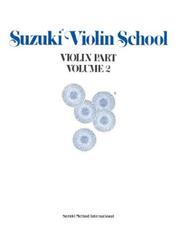
Once the basics hold, layer in graded technical work. Suzuki Violin School, Violin Part, Volume 2 continues the Suzuki repertoire at a higher level, consolidating what Volume 1 began. Franz Wohlfahrt - 60 Studies, Op. 45 Complete provides essential études that develop bowing and left-hand facility systematically. Scales for Young Violinists by Barbara Barber builds the scale and arpeggio foundation that underpins intonation and fluency. And Thirty-six elementary and progressive studies by H. E. Kayser adds another respected set of graded studies to strengthen technique. Rotate these — repertoire, études, and scales together — rather than grinding one alone.
The deeper craft
Finally, turn to the books that make you a musician, not just a technician. Basics by Simon Fischer is the modern encyclopedia of violin technique, a reference you return to for years as questions arise. The art of practicing by Madeline Bruser transforms how you use your practice time, addressing focus, tension, and musicality. And Principles of Violin Playing and Teaching by Ivan Galamian is the classic treatise on technique and interpretation from one of the great pedagogues — the summit of understanding how the instrument truly works.
That is the arc — foundations, technical studies, and the deeper craft — each stage earning the next. Follow the full path in order, ideally with a teacher's ear on your tone, and the violin slowly becomes an instrument you can trust rather than fight.
FAQ
- Can I really learn violin from books alone?
- Books guide the method and repertoire, but the violin's physical demands — bowing, posture, intonation — are hard to self-correct. Use these as your curriculum, ideally with a teacher's feedback, and progress will be much faster and healthier.
- Is the Suzuki method good for adults?
- Yes, though it was designed for children. Adults benefit from its ear-training and repertoire, and pairing it with a note-reading method like A Tune a Day for Violin gives a fuller, more balanced foundation.
Get the books
- 1David Cerone Performs Suzuki Violin School (Volume 1)Amazon ↗Shinichi Suzuki
- 2A Tune a Day for Violin Book 1 Tune a DayAmazon ↗C. Paul Herfurth
- 3Amazon ↗
- 4Franz Wohlfahrt - 60 Studies, Op. 45 CompleteAmazon ↗Franz Wohlfahrt
- 5Scales for Young ViolinistsAmazon ↗Barbara Barber
- 6Thirty-six elementary and progressive studiesAmazon ↗H. E. Kayser
As an Amazon Associate we earn from qualifying purchases. Some book links are affiliate links; you pay the same price and we may earn a small commission.
Follow the full reading path


Learn the violin: the best books and methods, in the right order
Beginner9books16 hrs4 stages
@craftsherpa♥ 0
Ready to learn something deeply?
Build a reading path — free