Most career changes die in the first month — not because the person lacked options, but because they started with tactics. They polished a resume before knowing what they were aiming at, applied to hundreds of postings built for straight-line candidates, and concluded the market had no room for them. The market has plenty of room for career switchers. It just punishes the wrong order of operations.
The right order is: figure out what you actually want, reframe what you already have, then run a modern search. This path follows that sequence.
Stage one: clarity before motion
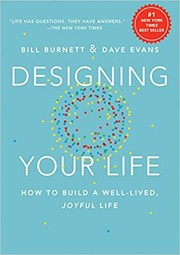
Start with What color is your parachute? by Richard Nelson Bolles, the classic self-inventory that has guided job changers for decades — its exercises for naming your skills and preferences are still the best on offer. Pair it with Design your life by Bill Burnett, which brings a designer's mindset to the same problem: prototype small experiments (conversations, side projects) before betting your income on a guess.
Stage two: reframe your past as an asset
Career changers habitually apologize for their history. Range by David J. Epstein is the antidote — a well-argued case that people who move across fields often outperform narrow specialists, and a vocabulary for explaining why your winding path is a feature. Then Pivot by Jenny Blake gives you the method: build from your existing strengths in small, low-risk steps rather than leaping from a cliff.
Stage three: run the search like a switcher
Generic job-search advice fails switchers because recruiters screen for sameness. Switchers by Dawn Graham, written by a career coach who understands recruiter psychology, tackles that head-on: how to get past the gatekeepers who are paid to prefer conventional candidates. Then get tactical with The 2-hour job search by Steve Dalton, a genuinely systematic process for turning a target list of companies into informational interviews instead of resume roulette. Round it out with Never Eat Alone by Keith Ferrazzi — the relationship-building playbook that matters most for switchers, since referrals do the work that keywords cannot.
How to actually study this
Do not read these passively. Stage one only works if you complete the written exercises — schedule two sessions a week for them. In stage two, draft the two-minute story of your change and revise it after every book. In stage three, measure progress in conversations per week, not applications sent. A career change is a project; run it like one.
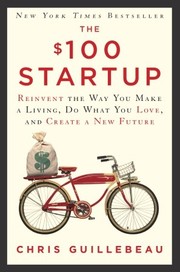
If your reinvention includes starting something of your own, the path also includes material on tiny businesses, and The $100 startup by Chris Guillebeau is the approachable place to start.
The staged sequence with study plans is in the full reading path. For neighboring topics like visibility and self-presentation, browse the subject hub, or build your own list.
Ready to learn something deeply?
Build a reading path — free