Caving punishes self-teaching harder than most outdoor pursuits. There is no weather to read, no turning back downhill, and the failure modes — rope error, hypothermia, flooding, becoming lost in a maze system — are unforgiving and often unsurvivable without an organised rescue. Every reputable source says the same thing: learn with a local caving club or grotto, under people who know the system. These books are preparation and reference around that training, not a replacement for it.
Given that, the reading order is about building judgement before technique. Understand caves as environments, then learn rope work as a discipline with standards, then think about equipment and medical response, and only then read the expedition narratives — which are much more interesting once you know what the risks actually are.
Understand the environment
Start with The life of the cave by Charles Mohr and Howard Sloane. It covers how caves form, the geology of karst, and the peculiar ecology of permanent darkness — the blind fish and cave-adapted invertebrates that make these systems scientifically important and ecologically fragile. It also underlies the conservation ethic: cave formations do not regrow on human timescales, and traffic damages them.
The technical core
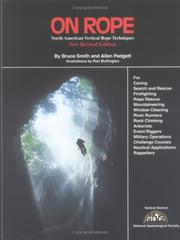
On rope by Bruce Smith and Allen Padgett is the standard reference for vertical technique in North American caving: single-rope technique, rigging, ascending and descending systems, rope selection and care, and rescue. It is thorough and it is the book experienced cavers point beginners toward. Read it, then learn every one of those skills on a practice pitch with supervision. Rope technique read from a page and never rehearsed is worse than none, because it feels like competence.
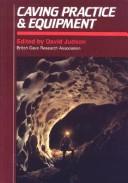
Then Caving Practice and Equipment, edited by David Judson for the British caving community, which covers the broader kit picture — lighting, clothing, helmets, digging, surveying and cave diving fundamentals. British and American caving traditions differ in some technique preferences, and reading across both is a good way to see which practices are universal and which are regional convention.
Add Field guide to wilderness medicine by Paul Auerbach and colleagues. Caving injuries happen hours from daylight and often further from a road, and hypothermia in a wet cave develops faster than newcomers expect. The relevant chapters — hypothermia, trauma stabilisation, evacuation decision-making — are the ones to know before you need them. Wilderness first aid training is the practical follow-up.
The expedition accounts
Now the narratives. Blind descent by James Tabor follows the rivalry to reach the bottom of the world's deepest caves, in Mexico and in the Republic of Georgia, and it is honest about the psychological toll of weeks underground. The darkness beckons by Martyn Farr is the history of cave diving — the most dangerous branch of the sport, and the one with the clearest record of how procedures were written from fatal accidents.
Read these last and they function as case studies. Read them first and they mostly produce enthusiasm without calibration.
Contact a local grotto before you buy any gear. Follow the full path for the stage-by-stage plan.
Follow the full ordered path here: Caving and Spelunking: Best Books to Read, in Order.
Ready to learn something deeply?
Build a reading path — free