Best Books on Caving and Spelunking, in Order
This curriculum starts at the intermediate level, assuming the reader has some outdoor experience but little formal caving knowledge. It builds from cave science and foundational technique, through advanced vertical skills and safety, and culminates in the great exploration narratives that tie everything together in vivid real-world context. Each stage deepens both the technical and experiential understanding of the underground world.
Cave Science & the Underground World
IntermediateUnderstand how caves form, the geology and hydrology behind cave systems, and the diversity of cave environments — building the scientific vocabulary needed for everything that follows.
▸ Study plan for this stage
Pace: 4–5 weeks, ~25–30 pages/day, with 2–3 days per week reserved for concept review and exercises
- Speleogenesis: the processes by which caves form through dissolution of soluble rock (primarily limestone and dolomite)
- Karst topography and its characteristic features (sinkholes, springs, underground streams)
- Hydrology of cave systems: water flow, infiltration, and the role of groundwater in cave formation and maintenance
- Cave stratigraphy and geological dating: understanding the age and formation history of cave deposits
- Microhabitats within caves: how light, temperature, humidity, and nutrient availability create distinct ecological zones
- Cave fauna and flora adaptations: troglomorphic characteristics and the unique biology of cave-dwelling organisms
- Speleothems and secondary mineral deposits: stalactites, stalagmites, flowstone, and what they reveal about cave history
- Chemical and physical weathering processes that shape cave passages and chambers
- What are the primary geological mechanisms by which caves form, and why is limestone particularly susceptible to cave development?
- How does water move through cave systems, and what is the relationship between surface hydrology and underground cave formation?
- What is karst topography, and what surface features indicate the presence of cave systems beneath?
- How do cave organisms adapt to life in darkness, and what defines the different ecological zones within a cave?
- What are speleothems, how do they form, and what information can they provide about a cave's age and environmental history?
- How can you distinguish between different types of cave deposits and what do they tell us about the cave's formation timeline?
- Create a labeled cross-section diagram of a typical limestone cave system showing water infiltration, cave passages, the water table, and karst features above ground
- Conduct a water infiltration experiment using a column of limestone chips, sand, and clay to observe how water dissolves and moves through soluble rock
- Collect and identify local geological samples (if available) and determine which rock types are soluble and cave-prone
- Build a simple speleothem model using a supersaturated salt or mineral solution to observe crystal growth and understand stalactite/stalagmite formation
- Create a detailed field notebook entry analyzing a real cave system (from photos or video) identifying visible speleothems, passage types, and likely formation processes
- Develop a timeline poster showing the geological epochs and corresponding cave formation stages, linking it to changes in climate and water table levels
Next up: This stage equips you with the scientific foundation and vocabulary to understand cave ecosystems, geology, and hydrology—essential knowledge for the next stage, which will likely focus on cave exploration techniques, safety protocols, and how to apply this science in the field.
A rigorous yet accessible deep-dive into one of the world's most important cave regions, covering sulfuric acid speleogenesis, cave mineralogy, and karst hydrology — essential geological grounding for any serious caver.

A classic, richly illustrated introduction to cave ecology and the full spectrum of cave environments; reading it after Hill's geology text shows how the physical cave shapes the biological one.
Gear, Technique & Vertical Caving
IntermediateMaster the practical skills of caving — rigging, rope work, SRT (single rope technique), survey, and safe movement underground — at a level suitable for serious recreational and sporting caving.
▸ Study plan for this stage
Pace: 8–10 weeks, ~40–50 pages/day, with 2–3 days per week dedicated to hands-on practice and rope work drills
- Single Rope Technique (SRT) fundamentals: anchor systems, belay devices, harness selection, and safe rope management for vertical descent and ascent
- Rigging and rope work: knots, hitches, anchors, load calculations, and setting up safe rigging systems for caving environments
- Vertical caving movement: rappelling, ascending (jumaring), rope handling in confined spaces, and managing rope systems on complex pitches
- Caving-specific equipment selection and maintenance: helmets, lights, harnesses, carabiners, ascenders, and environmental considerations for underground use
- Survey techniques and cave mapping: recording cave dimensions, passages, and features to contribute to scientific documentation and route planning
- Safe underground movement: hazard recognition, risk assessment, emergency procedures, and decision-making in challenging vertical and horizontal terrain
- Practical application of technique in real cave environments: adapting SRT skills to variable rock formations, water flow, and spatial constraints
- What are the critical components of a safe anchor system for vertical caving, and how do you assess anchor reliability in natural cave formations?
- Describe the complete process of rappelling safely on a single rope in a cave pitch, including equipment checks, body positioning, and brake management.
- How do you select and use ascending devices (jumars) to safely climb a rope in a vertical cave passage, and what are common mistakes to avoid?
- What is the purpose of surveying in caving, what measurements are essential, and how do you record cave data accurately for mapping?
- How do you choose appropriate caving gear for different cave environments, and what maintenance practices ensure equipment reliability and safety?
- Explain the decision-making process for assessing risk and managing emergencies during a vertical caving expedition, including rope failure scenarios.
- Practice tying essential caving knots (figure-eight, bowline, clove hitch, water knot) until you can tie them correctly in under 30 seconds each, both with eyes open and closed.
- Set up a safe anchor system on a natural or artificial rock formation (or sturdy tree) and test it with progressive weight loads; document your assessment process.
- Perform controlled rappelling practice on a 30–50 foot vertical drop (indoor wall, outdoor rock, or rigged tree) with a safety backup; practice smooth speed control and brake management.
- Practice ascending a vertical rope using jumars over a 40–60 foot distance, focusing on efficient foot placement, hand positioning, and managing rope twist.
- Conduct a mock cave survey of a small vertical section: measure distances, angles, and passage dimensions; sketch and record data as if mapping a real cave.
- Assemble and inspect a complete caving kit (helmet, harness, lights, carabiners, ascenders, descenders); identify wear, test functionality, and document maintenance.
- Participate in a supervised vertical caving trip or training session in an actual cave; apply SRT techniques in a real underground environment with experienced mentors present.
Next up: This stage equips you with the technical foundation and hands-on competence to safely navigate vertical and complex cave systems; the next stage will likely deepen your knowledge of cave geology, environmental conservation, expedition planning, and advanced rescue techniques for extended underground exploration.
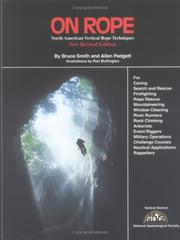
The definitive North American manual for vertical caving; covers ascending, descending, rigging, and rescue systems in exhaustive detail — the single most important technical reference a caver can own.

The British counterpart to On Rope, covering European SRT traditions, equipment selection, and cave survey; reading it after On Rope exposes the reader to the full international range of vertical technique.
Safety, Rescue & Risk Management
IntermediateDevelop a systematic understanding of underground hazards, emergency response, self-rescue, and the decision-making frameworks that keep cavers alive in complex or flooded cave systems.
▸ Study plan for this stage
Pace: 4–5 weeks, ~40–50 pages/day, focusing on cave-relevant chapters (trauma, environmental injuries, rescue protocols, decision-making under pressure)
- Wilderness medicine principles adapted to underground environments: assessment, stabilization, and evacuation under resource constraints
- Hypothermia, hyperthermia, and immersion injuries specific to cave conditions (cold water, high humidity, thermal stress)
- Trauma management in confined spaces: wound care, fracture stabilization, and improvised splinting with limited equipment
- Respiratory emergencies and altitude/pressure-related issues in caves with poor ventilation or deep sumps
- Self-rescue vs. team rescue decision-making: when to attempt self-extraction, when to call for help, and communication protocols
- Infection prevention and wound management in contaminated cave environments (mud, water, bacteria)
- Psychological factors in emergency response: panic management, decision fatigue, and maintaining situational awareness during crisis
- Evacuation logistics: patient packaging, rope rescue principles, and managing multi-hour underground extractions
- How would you assess and manage a caver with suspected hypothermia in a cold, wet cave system where evacuation will take 6+ hours?
- What are the key differences between wilderness medicine protocols and cave-specific medical response, and why do those differences matter?
- Describe a systematic approach to wound care and infection prevention when a caver sustains a laceration deep underground with no immediate access to sterile supplies.
- How do you recognize early signs of panic or shock in yourself or a team member during a cave emergency, and what interventions can you deploy with minimal equipment?
- When faced with a trapped or injured caver, what decision-making framework should guide whether you attempt self-rescue, wait for help, or take other action?
- What respiratory or pressure-related medical emergencies are unique to cave diving or deep cave systems, and how would you manage them with field medicine?
- Simulate a hypothermia scenario: practice passive rewarming techniques and patient handling in a cold environment (e.g., cold water immersion drill or winter outdoor simulation) to internalize the care protocol without causing harm.
- Build a cave-specific first aid kit: assemble and justify every item based on Auerbach's guidance, then practice rapid access and use in low-light conditions (headlamp only).
- Conduct a mock rescue scenario with a team: one person plays an injured caver, others practice assessment, stabilization, communication, and evacuation planning using only materials available in a typical cave expedition.
- Study case analysis: read 3–4 real cave rescue incidents (available through NSS-CRF or caving forums) and map each to the medical principles in Auerbach; identify what went right and what could have been prevented.
- Practice improvised splinting and patient packaging: use rope, webbing, and cave gear to safely immobilize a simulated fracture victim in a confined space (e.g., a crawlway or tight passage).
- Develop a personal decision tree: create a written flowchart for your own cave emergency response (when to self-rescue, when to call for help, communication protocols) and review it with experienced cavers for feedback.
Next up: This stage equips you with the medical knowledge and decision-making frameworks to recognize and respond to emergencies; the next stage will build on this foundation by teaching you the technical rescue skills, rope systems, and team coordination needed to execute those decisions and extract injured cavers safely from complex underground environments.

The canonical wilderness medicine reference; cavers need its hypothermia, trauma, and confined-space chapters, and it bridges the gap between surface rescue knowledge and the unique demands of underground emergencies.
The Great Cave Explorations
ExpertExperience the world's landmark cave discoveries and expeditions through first-hand and journalistic accounts, synthesizing all prior technical and scientific knowledge into the human drama of exploration.
▸ Study plan for this stage
Pace: 8–10 weeks, ~40–50 pages/day (alternating between books to maintain narrative momentum)
- The psychology and motivation of deep-cave explorers—risk tolerance, obsession, and the drive to push human limits underground
- Expedition logistics and decision-making under extreme uncertainty—resource management, team dynamics, and real-time problem-solving in unmapped systems
- The evolution of caving technology and techniques through landmark discoveries—how equipment innovations enabled deeper penetration into the world's most challenging caves
- The relationship between scientific discovery and personal ambition—how explorers balance knowledge-seeking with survival instincts
- Major cave systems as geological and hydrological narratives—understanding what the caves reveal about Earth's subsurface structure and processes
- The human cost of exploration—accidents, deaths, and ethical questions about acceptable risk in the pursuit of discovery
- What were the major expeditions and discoveries chronicled in Blind Descent and The Darkness Beckons, and what made each historically significant?
- How did the explorers' motivations differ between personal achievement, scientific inquiry, and pushing the boundaries of human capability?
- What critical equipment innovations or techniques are described in these accounts, and how did they enable deeper or safer exploration?
- Describe a specific moment of crisis or decision-making from either book—what factors influenced the explorers' choices, and what were the consequences?
- How do the geological features and challenges of the caves described (e.g., Krubera, Pozo Azul, Son Doong) reflect broader principles of speleogenesis and cave formation?
- What ethical tensions emerge in these narratives around acceptable risk, team responsibility, and the value of exploration versus human safety?
- Create a detailed expedition timeline for one major cave system from the books (e.g., Krubera or Pozo Azul), mapping key discoveries, personnel, and technological breakthroughs across years or decades
- Write a comparative analysis of two explorers' approaches to risk and decision-making—use direct quotes and specific incidents from the texts to support your argument
- Design a hypothetical expedition plan for a fictional deep cave, incorporating logistics, equipment, team roles, and contingency protocols based on methods described in the books
- Annotate a geological cross-section or cave map with narrative details from the books—show how the physical cave structure relates to the human drama of exploration
- Conduct a 'failure analysis' of a specific accident or near-miss described in either book—identify the contributing factors and propose how modern knowledge might have changed the outcome
- Record a 10–15 minute podcast episode or video essay analyzing one explorer's psychological profile and motivations, using textual evidence from the books to support your interpretation
Next up: This stage synthesizes technical caving knowledge with the human narratives of exploration, positioning readers to either specialize in expedition planning and risk management, pursue advanced speleological research, or develop their own caving practice informed by the lessons and cautionary tales of the world's greatest explorers.

A gripping narrative of the race to find the world's deepest cave, pitting American Bill Stone against Ukrainian Alexander Klimchouk; it rewards readers who already understand vertical technique and the geology of deep karst.

The definitive history of cave diving worldwide, tracing exploration from its earliest pioneers to modern technical diving; a fitting capstone that shows how every skill and science covered earlier converges at the frontier of the unknown.
Discussion
Keep reading
Paths that share books, cover the same subject, or open a related topic.