Most people put off estate planning for the same reason they put off flossing: no deadline, unpleasant subject, invisible consequences. Then the consequences arrive all at once — for someone else. The half-finished version is worse than none: an outdated will, a house titled wrong, accounts nobody can find. The fix is not one intimidating meeting with a lawyer; it is a short course you can read yourself, in the right order.
Estate Planning Books: Wills and Trusts, Demystified in Order
July 11, 2026 · 2 min read
Why order matters here
Estate planning has layers: know what you own, decide who gets it, pick the legal tools, then handle the human side. Read a trusts book first and the jargon buries you. Start with organization and the rest becomes a set of small, concrete decisions.
The path, stage by stage
Start with Get It Together by Melanie Cullen. It is not a law book — it is a structured workbook for assembling everything your family would need: accounts, passwords, documents, wishes. Completing it is the single highest-value estate-planning act most people ever do.
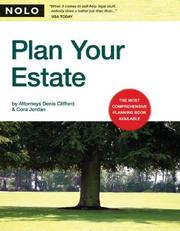
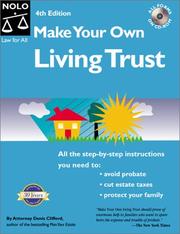
Then get the map. Plan Your Estate by Denis Clifford is the standard plain-English overview of the whole field — wills, trusts, taxes, beneficiaries — and tells you which tools apply to your situation. With that context, Make Your Own Living Trust, also by Clifford, goes deep on the most misunderstood tool: what a living trust does, who genuinely needs one, and who is being oversold. For a second, broader reference, The Complete Book of Wills, Estates and Trusts by Alexander Bove adds a practicing attorney's view of how these documents behave in the real world.
Next, the tactical layer. 8 Ways to Avoid Probate by Mary Randolph is short and surgical — beneficiary designations, transfer-on-death deeds, joint ownership — the cheap moves that keep assets out of court entirely.
Finish with the human problem. Beyond the Grave by Gerald Condon is bluntly honest about how inheritances actually break families — unequal gifts, second marriages, the family business — and how to structure around resentment. Estate Planning Smarts by Deborah Jacobs ties it together with current, practical guidance framed around life stages.
How to actually study this
Work, do not just read. After the first book, your document binder exists. After the overview stage, write a one-page summary of what you own and who should get it. After the trust books, decide will-only versus trust — then hire a local attorney to draft the final documents. State law varies enormously; these books make you an informed client, not your own lawyer.
The staged version with study plans is at the full reading path. Related money and family-care routes live in the estate planning hub, or browse all paths.
FAQ
- Do I need a lawyer for estate planning?
- For final documents, usually yes — state law varies and mistakes surface after you are gone. These books make the lawyer faster, cheaper, and easier to sanity-check.
- Do I need a living trust or is a will enough?
- It depends on your state, assets, and family situation. A trust avoids probate but costs more upfront; the Clifford books walk through who actually benefits.
Get the books
- 1Get it togetherAmazon ↗Melanie Cullen
- 2Plan your estateAmazon ↗Denis Clifford
- 3Make your own living trustAmazon ↗Denis Clifford
- 4The complete book of wills, estates & trustsAmazon ↗Alexander A. Bove
- 58 ways to avoid probateAmazon ↗Mary Randolph
- 6Beyond the graveAmazon ↗Gerald M. Condon
As an Amazon Associate we earn from qualifying purchases. Some book links are affiliate links; you pay the same price and we may earn a small commission.
Follow the full reading path

Wills, trusts & estate planning, demystified
Beginner8books65 hrs4 stages
@worksherpa♥ 0
Ready to learn something deeply?
Build a reading path — free