The used-car market runs on information asymmetry: the seller knows things about the car and the deal that you do not. Close that gap and everything changes — you inspect smarter, walk away easier, and pay less. That is entirely learnable from books, as long as you also do the practical legwork of inspecting real cars.
How to Buy a Used Car Without Getting Burned
July 12, 2026 · 2 min read
Why order matters here
Understand the machine first, then how to evaluate a specific car, then how to negotiate the price. Jump straight to haggling tactics without knowing what you are looking at and you will win the argument on a lemon. The path below builds that leverage in the right sequence.
The path, stage by stage
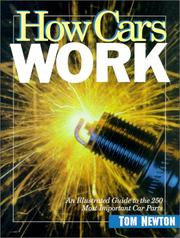
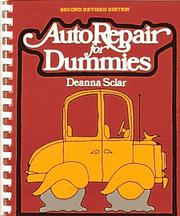
Start by demystifying the car itself. How cars work by Tom Newton explains the major systems in plain language, so a listing's jargon and a mechanic's diagnosis stop being intimidating. Deepen it with Auto repair for dummies by Deanna Sclar, which helps you understand common problems and roughly what they cost to fix — the difference between a minor issue and a deal-breaker.
Next, learn to evaluate specific vehicles. Lemon-Aid New and Used Cars and Trucks by Phil Edmonston is a blunt, model-by-model guide to which cars are reliable and which to avoid, and a Consumer Reports Used Car Buying Guide offers reliability data and a framework for comparing options. This is where you turn "a car" into "this car, worth this much."
Then handle the human side of the deal. Don't get taken every time by Remar Sutton is a classic exposé of dealer tactics and how to counter them — required reading before you set foot on a lot. Finish with Negotiation Genius by Deepak Malhotra, which teaches a principled, evidence-based approach to negotiation that applies far beyond cars but pays for itself in this one purchase.
How to actually study this
Do the reading, then do the reps. Look at listings, get a feel for fair prices in your area, and always get an independent pre-purchase inspection from a mechanic before you buy — no book substitutes for a professional putting the car on a lift. Practice walking away; the willingness to leave is your strongest single tool. And separate the car price, the financing, and any trade-in, because dealers profit when you blur them together.
Keep going with the full reading path, the buying a car hub, or browse more paths.
FAQ
- What should I read before buying a used car?
- Start by understanding the car in *How cars work* by Tom Newton, check model reliability in *Lemon-Aid*, then learn dealer tactics in *Don't get taken every time* by Remar Sutton.
- How do I avoid getting ripped off on a used car?
- Know how cars work, research reliable models, always get an independent pre-purchase inspection, and be genuinely willing to walk away from any deal.
Get the books
- 1How cars workAmazon ↗Tom Newton
- 2Auto repair for dummiesAmazon ↗Deanna Sclar
- 3Consumer Reports 1999 Used Car Buying Guide (Consumer Reports Used Car Buying Guide)Amazon ↗Consumer Reports
- 4Lemon-Aid New and Used Cars and Trucks 2007-2018Amazon ↗Phil Edmonston
- 5The Car Buyer's Handbook!Amazon ↗James A. Boerger
- 6Don't get taken every timeAmazon ↗Remar Sutton
As an Amazon Associate we earn from qualifying purchases. Some book links are affiliate links; you pay the same price and we may earn a small commission.
Follow the full reading path

Buy a used car without getting burned
Beginner7books58 hrs4 stages
@worksherpa♥ 0
Ready to learn something deeply?
Build a reading path — free