Search "how to be productive" and you drown in tips: wake at 5am, eat the frog, try this app. Tips do not compound; systems do. The reason most people stay busy but unproductive is that they collect life hacks instead of building a coherent approach — a way to decide what matters, protect focus, and make it automatic. Read in the right order, a handful of books gives you exactly that, and then, refreshingly, teaches you to question the whole obsession.
The path moves from foundational operating systems, to focus and habit, to a philosophical reckoning with finite time. Start at the wrong end and you optimize a life you never chose.
Lay the foundation
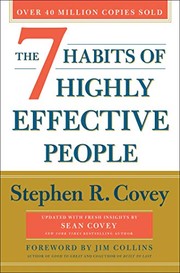
Begin with the classics that build a whole framework. The 7 Habits of Highly Effective People by Stephen Covey starts from principles and priorities — the "why" beneath any system, especially the discipline of putting first things first. Then Getting Things Done by David Allen supplies the definitive capture-and-organize system for handling the flood of tasks without holding them all in your head.
Protect focus and automate behavior
With a system in place, defend your attention. Deep Work by Cal Newport is the essential argument for focused, distraction-free work as the source of real output — the antidote to a fragmented day. Complement it with Hyperfocus by Chris Bailey, a practical guide to managing attention deliberately rather than letting it scatter.
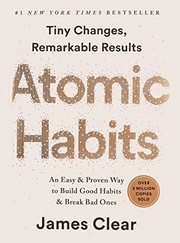
Systems fail without habit, so bring in Atomic Habits by James Clear, the clearest modern manual on making good behaviors automatic and bad ones hard. And because your devices are engineered to steal the focus you just built, Digital Minimalism, also by Cal Newport, offers a philosophy for reclaiming attention from the screen.
Reckon with finite time
Finally, zoom all the way out. Four Thousand Weeks by Oliver Burkeman is the necessary counterweight — a humane argument that you will never get everything done, and that accepting your limits is the real productivity breakthrough. Read last, it reframes everything before it.
How to actually learn this
These books are only useful if you build and run a system, not just read about one — pick a single method, practice it for a few weeks, and adjust, rather than book-hopping in search of the perfect trick. Beware the trap of optimizing productivity as a hobby; the point is a life you value, not a fuller calendar. And treat every author's claims as one perspective to test against your own weeks, especially where they contradict each other on hustle versus limits.
Read it in order: follow the full reading path, visit the subject hub, or browse more productivity paths.
Ready to learn something deeply?
Build a reading path — free