Personal finance produces more books per useful idea than any subject alive. The truth is it's a short subject: behavior, a system, a strategy, and the evidence for it. That's four books — in a specific order, because each one only works after the one before it.
The only 4 money books you need — read in this order
July 6, 2026 · 2 min read
Behavior before spreadsheets
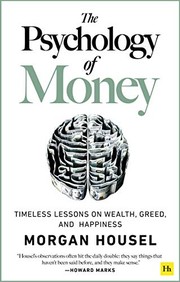
Our personal finance path starts with Morgan Housel's The Psychology of Money for a simple reason: most financial failure isn't a knowledge problem. Housel's core insight — that doing well with money has more to do with behavior than intelligence — reframes everything that follows. Compounding, his best chapter argues, rewards patience more than brilliance.
Then a system
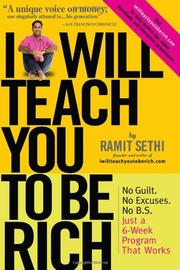
Ramit Sethi's I Will Teach You to Be Rich converts the mindset into plumbing: automatic transfers, accounts that route money before you can spend it, a conscious-spending plan instead of a guilt-based budget. Read Sethi before Housel and it's a list of chores; read it after and every automation has a why.
Then a strategy
JL Collins' The Simple Path to Wealth makes the case for the strategy that fits inside a sentence: buy low-cost index funds, keep buying, don't sell. Written as letters to his daughter, it's the clearest single account of why simple beats clever in investing.
Then the evidence
Burton Malkiel's A Random Walk Down Wall Street is the academic backbone — half a century of evidence on why markets are hard to beat and most people shouldn't try. It's the book that makes the strategy stick the first time markets drop and clever starts whispering again.
The order is the point
Behavior → system → strategy → evidence. Reverse it and Malkiel is dry, Collins is unmotivated, Sethi is chores. In order, each book answers the question the previous one raised. Total reading time is around 30 hours — likely the best-paid 30 hours of your life.
Follow the path, or browse the personal finance hub. For making any of these stick, see how to build a study plan for any book.
FAQ
- Do these books work outside the US?
- The principles (behavior, automation, low-cost index investing) travel well; specific account types and tax advice don’t. Read for the strategy, then map it to your country’s equivalents.
- What about real estate or crypto books?
- Master the boring core first. The four-book path is the foundation everything else should be judged against — most exotic strategies lose to it after costs.
Get the books
- 1The Psychology of MoneyAmazon ↗Morgan Housel
- 2I will teach you to be richAmazon ↗Ramit Sethi
- 3The Simple Path to WealthAmazon ↗J. L. Collins
- 4A Random Walk Down Wall StreetAmazon ↗Burton Gordon Malkiel
As an Amazon Associate we earn from qualifying purchases. Some book links are affiliate links; you pay the same price and we may earn a small commission.
Follow the full reading path

Understand money and investing, in order
Beginner4books32 hrs2 stages
Ready to learn something deeply?
Build a reading path — free