Bluegrass is unusual among American musics in having a nearly datable birth: Bill Monroe's Blue Grass Boys with Earl Scruggs on banjo, 1945 to 1948. Almost everything that followed defines itself against that ensemble. Read the history first and the genre's fierce arguments about what counts as bluegrass — the tradition-versus-progressive fight that has run for sixty years — become comprehensible instead of baffling.
The other reason to sequence this reading is that bluegrass is a repertoire and a role system as much as a set of tunes. Banjo, fiddle, mandolin, guitar and bass each have defined jobs. The method books make far more sense once you know where those jobs came from.
The history, then the sources
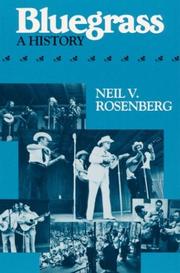
Start with Bluegrass by Neil V. Rosenberg — the standard scholarly history, and the book every later writer on the subject argues with. Rosenberg traces the music from Monroe through the folk revival, the festival circuit and the newgrass era, and he is careful about the commercial forces that shaped what sounds like a purely rural tradition. It is dense but readable.
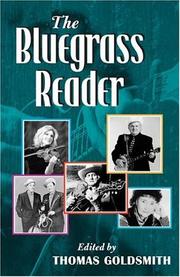
Then The Bluegrass Reader, edited by Thomas Goldsmith, which collects primary documents: period reviews, interviews, liner notes, magazine pieces. Reading Rosenberg first gives you the map; the reader then lets you hear the participants disagreeing in their own voices, including about whether the word bluegrass should exist at all.
The instruments
Earl Scruggs and the 5-String Banjo is the foundational method book and also a historical document — Scruggs codifying, in tablature, the three-finger roll pattern that defined the instrument's role. Even non-banjo players benefit from skimming it, because so much of the genre's rhythmic feel originates in those rolls.
Bluegrass Fiddle Styles by Stacy Phillips is the counterpart for the fiddle, transcribing and comparing the approaches of major players rather than pretending there is one correct style. Between the two, you get a working sense of how the ensemble's parts interlock.
Who has been left out
Close with Pretty Good for a Girl by Murphy Henry, an oral history of women in bluegrass — performers, band leaders and instrumentalists who were largely written out of the standard accounts. It is the necessary corrective to the earlier books on this list, built from interviews rather than argument, and it changes how you read the canon you have just absorbed.
How to use these while listening
Bluegrass books are only half the education. Pair each stage with recordings: Monroe's 1946 to 1947 sides alongside Rosenberg, festival-era live recordings alongside the reader, and Flatt and Scruggs alongside the banjo book. The tablature and the transcriptions are almost useless without the audio they describe.
If you play, do not try to work through both method books at once — pick your instrument, and treat the other as reference. If you do not play, read Rosenberg and Goldsmith and skim the rest for context.
Follow the full path for the stage-by-stage plan, or explore more listening-and-reading guides on Discover.
Follow the full ordered path here: Best Books on Bluegrass Music, in Reading Order.