Synthetic biology is moving fast enough that headlines outrun understanding. CRISPR, engineered organisms, mail-order DNA — it all sounds like science fiction, and without a foundation it stays that way. The field sits at the intersection of genetics, engineering, and ethics, which is exactly what makes it hard to self-teach: skip the biology and the tools are magic; skip the ethics and you miss the whole debate.
The fix is sequence. Understand the gene first, then the people and tools that learned to edit it, then the stakes. Reading order turns buzzwords into a real mental model.
A quick frame: this is a field where the science and its risks are actively debated. Read to weigh evidence and understand the questions, not to reach settled verdicts — and treat anything touching human health as material for questions to a professional, never advice.
Start with the gene itself
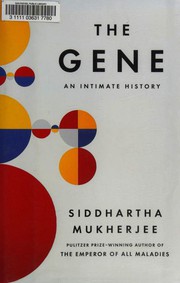
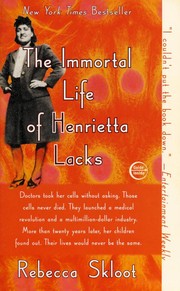
Begin with The Gene by Siddhartha Mukherjee, a sweeping, beautifully written history of heredity from Mendel to modern genomics. It gives you the core concept everything else builds on and does it as narrative, not lecture. Then read The Immortal Life of Henrietta Lacks by Rebecca Skloot, which grounds the whole field in a human story — the woman whose cells powered decades of research without her consent. It plants the ethical questions early, where they belong.
Meet the tools and the people
Now the engineering. The Code Breaker by Walter Isaacson follows Jennifer Doudna and the invention of CRISPR gene editing — the tool that made rewriting life a practical reality. Read it alongside A Crack in Creation by Jennifer A. Doudna herself, a first-person account from one of CRISPR's inventors that is unusually candid about both the promise and the fear. Hearing the same breakthrough from a biographer and from the scientist who lived it is a genuinely useful pairing.
See the ambition and the frontier
To feel where synthetic biology wants to go, read Regenesis by George M. Church, a bold, sometimes vertiginous vision of engineering genomes from the ground up by one of the field's most ambitious figures. Read it critically — it is a manifesto as much as a survey — and let it show you the outer edge of what practitioners imagine.
Weigh the stakes
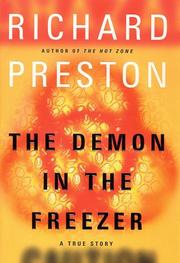
Close by widening the lens, and start with the concrete case. The demon in the freezer by Richard Preston tells the story of smallpox: its eradication, the samples that were kept, and the anthrax letters of 2001. It is the most vivid available answer to the question of why anyone worries about biology as a weapon, and it makes the abstract phrase dual-use research feel like a real problem with real institutions behind it.
Then The Precipice by Toby Ord, which examines existential risks including engineered pathogens and gives you a sober framework for thinking about biotechnology's downside. It is the counterweight to the field's optimism, and reading it last means you evaluate the ambition with the risks fully in view.
Two books here that are not about biotech
Worth saying plainly, because both are good books in the wrong place. The Innovators, also by Walter Isaacson, is a history of computing — Ada Lovelace to the personal computer — and it appears in this listing because of its author, not its subject. How to Create a Mind by Ray Kurzweil is about artificial intelligence and theories of the neocortex, not about engineering biology. Read either if the subject appeals; neither belongs in a synthetic biology sequence, and skipping both costs you nothing here.
How to actually study it
Keep a glossary as you go; terms like vector, plasmid, and guide RNA recur, and pinning them down early pays off. After each book, write a few sentences on what became newly possible and what new risk it introduced — biotech advances almost always carry both. And follow the ethics thread deliberately: notice how consent, dual-use research, and access questions surface again and again. This is a story still being written, so hold your conclusions provisionally and let new evidence move them.
Want the ordered version? Follow the full reading path, explore the subject hub, or browse related science paths.